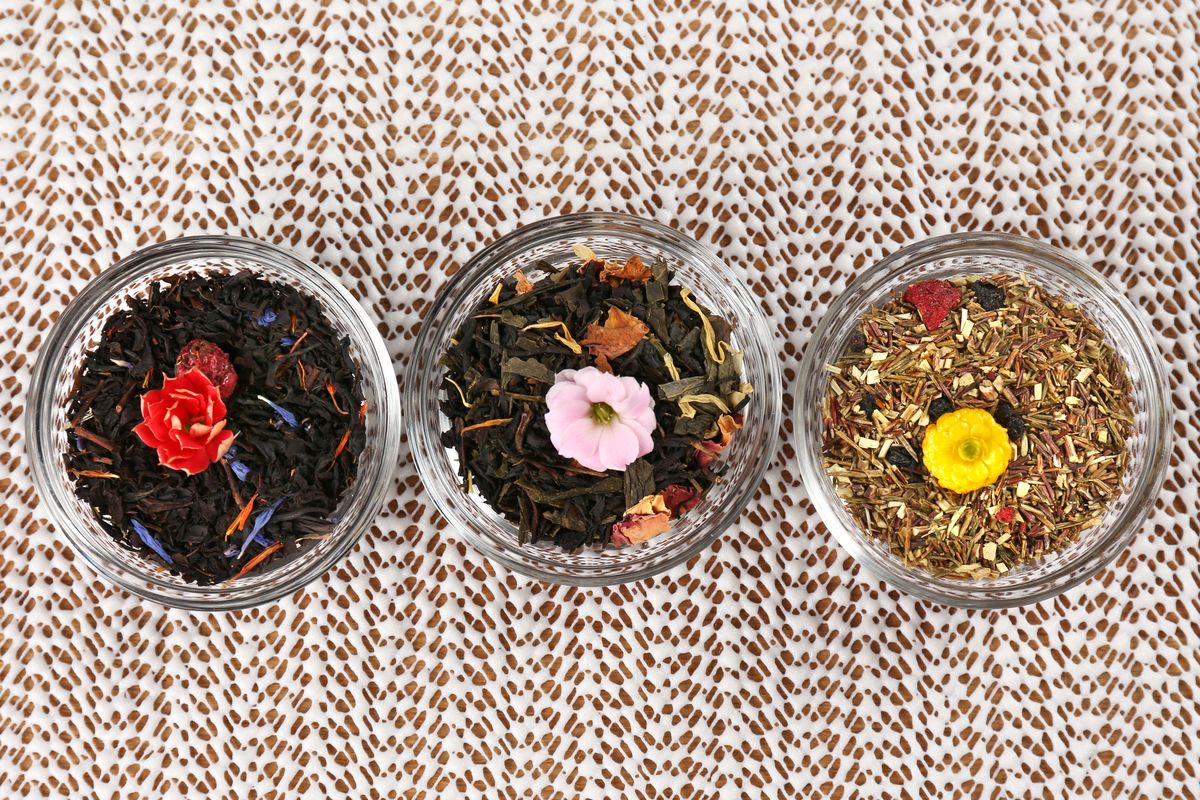
A Simple Guide to Tea Types: What to Drink and Why It Matters
Most tea guides sort by flavor. This one sorts by what tea does to your body — so you can choose based on how you feel, not just what you like.
You are standing in the tea aisle. There are 47 options. Green, white, oolong, pu-erh, rooibos, something called a "detox blend" with lotus flowers on the box. You turn a few packages over, read phrases like "antioxidant rich" and "smooth finish," and then do what everyone does: pick the one with the nicest packaging.
There is a simpler way. Instead of choosing tea by flavor profile or whatever the label promises, you can choose based on what your body actually needs right now.
That is how tea has been used for thousands of years across East Asia. Not as a beverage category to be browsed, but as a daily tool — something you reach for because it matches how you feel today. Cold and sluggish? One tea. Overheated and restless? A different one. Heavy-headed after lunch? Another still.
This guide is part of our tea and ritual pillar, and it will teach you to think about tea the way traditional practitioners do — not by brand or blend, but by what it does inside your body.
You will not need to become a tea expert. You just need a framework simple enough to use while standing in front of your kettle at 7 a.m.
A Different Way to Organize Tea
Most tea guides organize by type: green, black, herbal. Or by caffeine level: high, medium, none. Or by origin: Chinese, Japanese, Indian. These are fine categories if you are a tea collector, but they are not very helpful if you are a person standing in a kitchen wondering what to drink.
There is a more useful framework. Instead of sorting tea by what it is, you can sort it by what it does. Three simple axes:
Warming or cooling. Some teas heat you from the inside. Others calm internal heat. This matters more than most people realize, and it connects directly to the thermal nature of foods — the same logic applies to what you drink.
Drying or moistening. Some teas dry out excess dampness in the body. Others add moisture. If you tend toward dry skin and thirst, that is different from someone who feels waterlogged and heavy.
Calming or activating. Some teas settle you down. Others lift you up. And this is not just about caffeine — it is about the energy of the plant itself.
When you start thinking about tea this way, choosing becomes almost intuitive. You check in with your body, notice what is going on, and pick the tea that moves you back toward balance.
This is not about rules. There is no wrong answer. If you drink green tea on a cold day, nothing bad happens — you just miss an opportunity to give your body what it is asking for. The goal is awareness, not perfection.
You do not need to memorize any of this. You just need to start paying attention.
The Six True Teas: One Plant, Six Medicines
Here is something that surprises most people: green tea, white tea, oolong, black tea, pu-erh, and yellow tea all come from the same plant. One single species — Camellia sinensis. The difference between them is not the plant. It is what happens after the leaves are picked.
The level of oxidation, the way the leaves are heated, rolled, dried, or fermented — these processing steps transform the same leaf into six very different medicines. It is like how the same wheat grain becomes bread, pasta, or pastry depending on what the baker does with it. Same starting material, different results.
This is worth understanding because it means tea is not a random landscape of thousands of options. It is one plant, processed six ways, each with a distinct effect on your body. Once you understand the six, the whole world of tea starts to make sense.
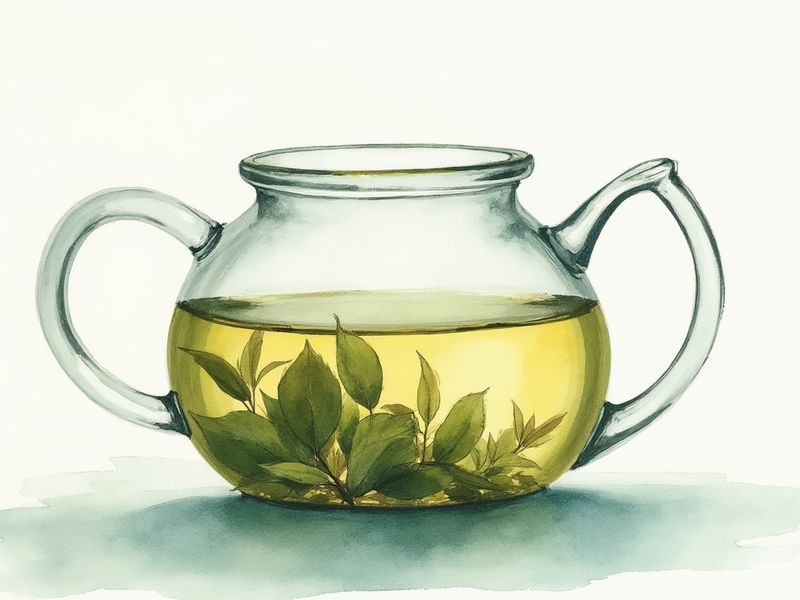
Green Tea: Cooling, Lifting, Clarifying
Green tea is minimally oxidized — the leaves are quickly heated after picking to stop the process. This preserves their cooling, upward-moving energy.
What it does: Clears heat, sharpens focus, lifts mental fog, aids digestion of greasy foods.
Best for: The Hot and Restless type who runs warm and needs to cool down. Also helpful for Heavy and Foggy types who need mental clarity.
Best seasons: Spring and summer, when your body naturally wants to shed heat.
How it feels: Clean, bright, slightly astringent. Like opening a window on a stuffy day.
Green tea is the most popular tea on earth for a reason. It is versatile, accessible, and gently powerful. If you are new to thinking about tea this way, green tea in warm weather is the easiest place to start. For a focused look at one specific green tea, explore our guide to matcha and how it fits into daily practice.
White Tea: Gently Cooling, Moistening
White tea is the least processed of all. The leaves are simply withered and dried — no rolling, no heavy heating. This minimal handling preserves a soft, moistening quality.
What it does: Gently cools without being harsh, moistens dry tissues, calms mild restlessness.
Best for: Hot and Restless types, especially those who also tend toward dryness — dry skin, dry throat, that parched feeling.
Best seasons: Spring and summer.
How it feels: Subtle, almost sweet, very light. Like a cool mist rather than a cold splash.
White tea is sometimes dismissed as "weak" by people used to stronger flavors. But strength and subtlety are not the same thing. If you are drawn to gentleness, our white tea guide explores this underrated tea in more depth.
Oolong Tea: The Shape-Shifter
Oolong is partially oxidized — somewhere between green and black. But that "somewhere" covers an enormous range. A light oolong is almost green. A dark, roasted oolong is almost black. This makes oolong the most versatile tea in the world.
What it does: Ranges from neutral to slightly warming. Supports digestion, balances energy, smooths transitions.
Best for: Everyone. Truly. Oolong is the tea you drink when you are not sure what you need, or when your body feels mostly fine and you want to keep it that way.
Best seasons: Year-round. Light oolongs lean toward spring and summer. Dark roasted oolongs lean toward autumn and winter.
How it feels: Smooth, complex, satisfying. Like a long conversation with a good friend — it unfolds over time.
If you want to explore the spectrum, our oolong tea guide walks through the different styles and how each one lands in the body.
Black Tea (Red Tea in Chinese): Warming, Stabilizing
What the Western world calls "black tea," Chinese tea culture calls "red tea" — named for the color of the liquid, not the leaves. It is fully oxidized, which gives it a warming, descending, stabilizing quality.
What it does: Warms the core, supports digestion, steadies energy, builds warmth over time.
Best for: Cold and Depleted types who run cold, feel tired, and need gentle internal heat. Also comforting for anyone during cold weather.
Best seasons: Autumn and winter.
How it feels: Rich, grounding, full-bodied. Like a warm sweater for your insides.
Black tea with milk is the daily drink of much of the world — Britain, India, Turkey, Iran. There is wisdom in that. People in colder climates naturally gravitate toward warming teas, even if they would not use that language to describe why.
If you have been drinking black tea your whole life and it makes you feel good, this is not a coincidence. Your body has been choosing well. Now you just have a framework to understand why — and to branch out when you want something different.
Pu-erh Tea: Warming, Descending, Digestive
Pu-erh is the only tea that is truly fermented — not just oxidized, but aged with microbial activity over months or years. This process gives it a deeply warming, downward-moving energy that is unlike any other tea.
What it does: Warms the digestive center, cuts through heavy or greasy food, moves stagnation downward and out.
Best for: Cold and Depleted types who need deep warmth. Heavy and Foggy types who feel weighed down after eating.
Best seasons: Autumn and winter, or anytime after a rich meal.
How it feels: Earthy, smooth, almost savory. Aged pu-erh has a depth that takes getting used to but becomes deeply satisfying.
Pu-erh is a world unto itself. If you are curious, our pu-erh tea guide covers how to start without spending a fortune.
Yellow Tea: The Rare One
Yellow tea is gently cooling, similar to green but softer and less astringent. The leaves undergo a unique smothering step that mellows the flavor. It is rare, expensive, and hard to find outside specialty shops.
Worth knowing it exists. Not worth stressing about finding it. If you stumble across genuine yellow tea, try it — it is lovely. But green and white teas cover similar territory and are much easier to source.
In Traditional Chinese Medicine, choosing tea follows the same logic as choosing food. Every plant has a nature — warming, cooling, neutral — and that nature interacts with the nature of your body. A person who runs hot does not need more heat, even if they love the taste of black tea. A person who runs cold does not benefit from constantly drinking iced green tea, no matter what the health headlines say. The question is not "what is the best tea?" but "what is the best tea for me, today?" This is thermal matching — aligning the energy of what you consume with what your body actually needs to move toward balance.
Key Herbal Teas and Tisanes
"Herbal tea" is technically not tea at all — it does not come from the Camellia sinensis plant. But these infusions have been used medicinally across cultures for centuries, and they follow the same warming-cooling logic.
The advantage of herbal teas is that most of them have no caffeine, so you can drink them any time of day. They also tend to have stronger, more targeted effects than true teas — which makes them especially useful as seasonal or situational tools.
Chrysanthemum
Nature: Cooling. What it does: Clears heat from the head and eyes, eases headaches, calms irritability. Best for: Hot and Restless types. A classic summer drink in China — you will find it in every convenience store by June.
Ginger
Nature: Warming. What it does: Heats the core, settles nausea, supports sluggish digestion, disperses cold. Best for: Cold and Depleted types. Fresh ginger slices in hot water is the simplest and most effective home remedy for feeling cold and queasy.
Chamomile
Nature: Slightly cooling, calming. What it does: Settles the nervous system, eases tension, supports sleep. Best for: Tight and Stuck types who carry stress in their body. Also helpful for anyone who cannot wind down at night.
Peppermint
Nature: Cooling, activating. What it does: Clears heat, opens the chest and sinuses, lifts brain fog, moves stuck energy. Best for: Heavy and Foggy types who need a lift, and Tight and Stuck types with tension headaches.
Rose
Nature: Gently warming, circulating. What it does: Moves stagnant energy, especially emotional stagnation. Soothes the liver, eases frustration. Best for: Tight and Stuck types. Rose tea is the tea you drink when everything feels bottled up inside.
Goji Berry
Nature: Neutral to slightly warming. What it does: Nourishes blood and yin, supports eyes and skin, builds reserves gently. Best for: Cold and Depleted types who are also dry — tired and thirsty, not just tired. A few goji berries steeped in hot water make a simple, nourishing drink.
Jujube Date (Red Date)
Nature: Warming, nourishing. What it does: Builds blood, calms the spirit, supports digestion. Best for: Cold and Depleted types, especially those who feel both tired and anxious. Jujube, goji, and a few slices of ginger together make one of the most traditional warming tonics in Chinese home cooking.
The Tea Compass: Matching Tea to Your Body
Here is a way to visualize all of this at once. Imagine two axes crossing each other:
Vertical axis: Warming (top) to Cooling (bottom).
Horizontal axis: Activating (left) to Calming (right).
Now place the teas:
- Green tea sits in the cool and activating quadrant. It cools you down and sharpens you up.
- Black tea sits in the warm and mildly activating quadrant. It heats you gently and gives steady energy.
- Pu-erh sits in the warm and calming quadrant. It heats and settles you at the same time.
- White tea sits in the cool and calming quadrant. It cools and softens.
- Oolong sits near the center. Depending on the style, it drifts toward any quadrant.
- Ginger tea sits high in the warm and activating corner.
- Chamomile sits in the cool and calming corner.
- Peppermint sits in the cool and activating corner.
This is not a precise scientific map. It is a thinking tool. When you notice how you feel — warm, cold, wired, sluggish — glance at the compass and pick the quadrant that moves you back toward center.
The beauty of this approach is that it changes with you. In July, you might live in the cool-and-activating quadrant. In January, you might drift to warm-and-calming. Your body is not static, and your tea choices should not be either.
If you are a Cold and Depleted type, your default teas should come from the warm side of the compass: black tea, pu-erh, ginger, jujube. If you are Hot and Restless, start on the cool side: green tea, white tea, chrysanthemum, peppermint. Heavy and Foggy types benefit from activating teas that cut through sluggishness: green tea, peppermint, pu-erh after meals. And if you are the Tight and Stuck type, look for teas that move energy: rose, peppermint, and oolong. For a detailed breakdown by season and body type, see our guide to choosing tea by season and body type.
Buying Tea Without Getting Ripped Off
Tea can be wildly overpriced or surprisingly affordable. Here is how to navigate the market without a degree in tea studies.
Loose Leaf vs. Tea Bags
Tea bags are convenient. Loose leaf is better — not because of snobbery, but because tea bags usually contain broken leaf fragments and dust (called "fannings") that have lost most of their nuance and a good portion of their beneficial compounds. Whole leaves brewed loose give you more flavor, more complexity, and often more value per cup.
That said, decent tea bags do exist. If bags are what gets you drinking tea regularly, use them. Do not let perfect be the enemy of good enough.
One practical note: loose leaf tea is easier than it sounds. You do not need special equipment. A simple mesh strainer or even a small bowl works fine. Put leaves in, pour hot water over them, strain when ready. People have been doing this for thousands of years without fancy infusers.
Where to Shop
Skip the fancy tea boutiques when you are starting out. Asian grocery stores are the best-kept secret in tea shopping. They stock the same teas that families in China, Japan, and Taiwan drink daily — good quality, reasonable prices, no lifestyle branding markup. The packaging might not be Instagram-worthy, but the tea inside is often better than what you will find at a trendy Western tea shop for three times the price.
Online shops specializing in direct-sourced Chinese and Taiwanese teas are another excellent option. Look for shops that tell you where the tea comes from and when it was harvested. Freshness matters, especially for green and white teas — these are best consumed within a year of harvest. Pu-erh, on the other hand, improves with age.
What to Spend
Good loose leaf tea costs $5 to $15 for a bag that will last you weeks. Per cup, that is pennies — far cheaper than coffee shop drinks or bottled wellness beverages. You do not need to spend $30 on a single ounce of rare oolong to drink well. That is collector territory, not daily drinking territory.
One Starter Recommendation Per Category
If you want to try one tea from each major category without overthinking it:
- Green: Dragon Well (Long Jing). Smooth, nutty, forgiving if you over-steep slightly.
- White: White Peony (Bai Mu Dan). More body than Silver Needle, more affordable too.
- Oolong: Tie Guan Yin (Iron Goddess). A light, floral oolong that is easy to love.
- Black: Dian Hong (Yunnan Gold). Malty, sweet, gentle warmth. A good introduction to Chinese black tea.
- Pu-erh: Start with a ripe (shou) pu-erh, which is smoother and more approachable than raw (sheng). Ask for a sample at an Asian grocery — many sell small amounts.
- Herbal: Dried chrysanthemum flowers or fresh ginger root. Both available at any Asian grocery for next to nothing.
Start Where You Are
You do not need to overhaul your tea shelf overnight. You do not need to buy six kinds of loose leaf and a ceramic gaiwan. You do not need to memorize the compass or learn the Chinese names. Start with one idea: the next time you reach for a cup of tea, pause for a moment and notice how you feel.
Cold? Tired? Reach for something warming.
Overheated? Restless? Reach for something cooling.
Heavy? Foggy? Reach for something that lifts and clears.
That is the whole system. Everything else is just detail. The teas themselves will teach you the rest, one cup at a time.
The practice of choosing tea intentionally connects to something larger — the way seasonal living asks us to pay attention to the world around us and respond accordingly. Tea is just a very small, very daily, very enjoyable way to practice that kind of attention.
There is something quietly powerful about this. In a world that is always telling you what to buy, what to optimize, what to hack — tea asks you to slow down for three minutes and listen to your own body. That is not nothing. That might be everything.
Start with whatever you have in your cupboard. Pay attention to how it makes you feel. That is already enough.