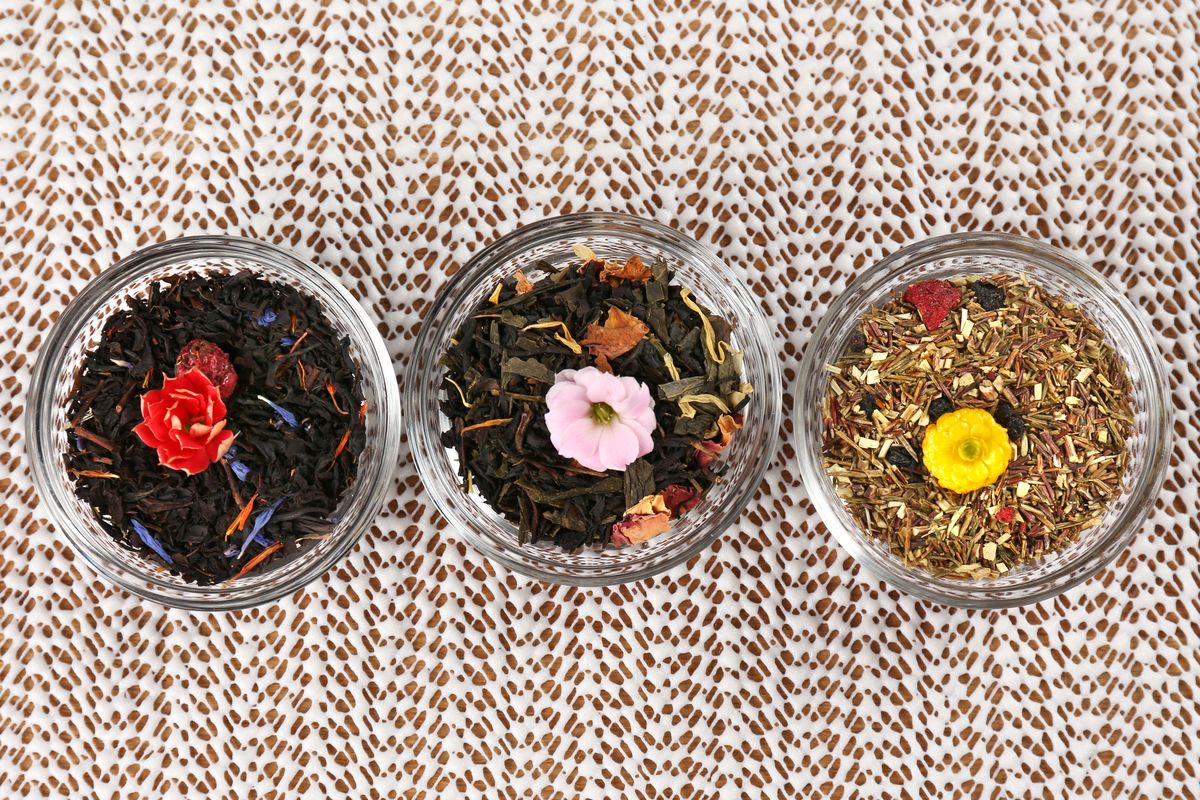
A Simple Guide to Tea Types: What to Drink and Why It Matters
Most tea guides sort by flavor. This one sorts by what tea does to your body — so you can choose based on how you feel, not just what you like.
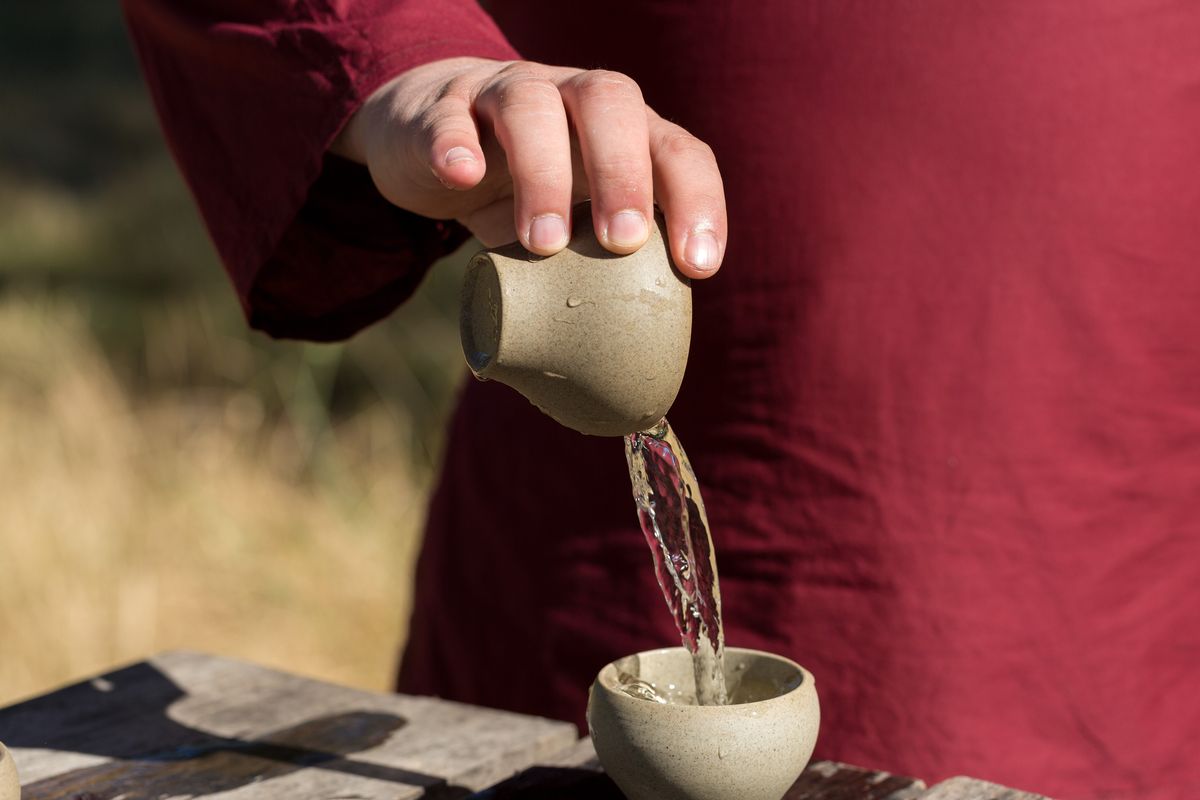
The simplest practice of presence is already in your kitchen. A cup of tea, made with attention, can change your entire day.
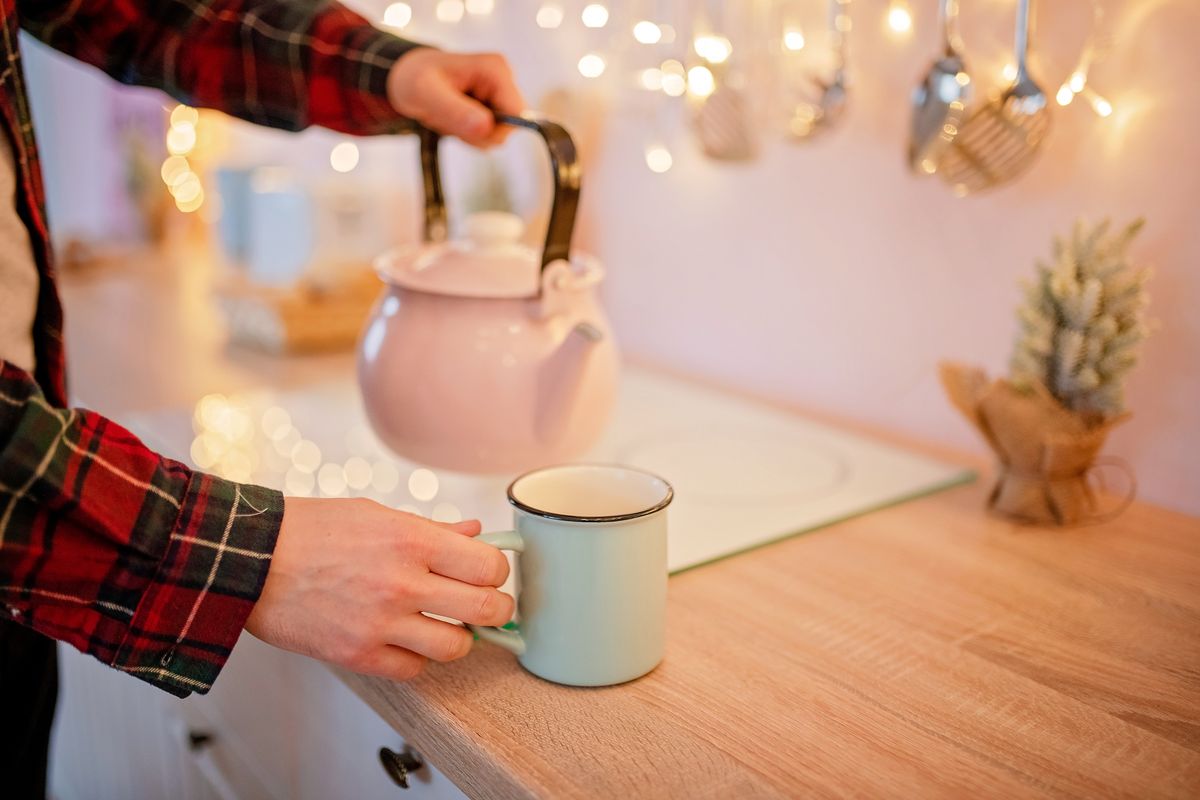
There is a reason tea has been at the center of contemplative traditions for thousands of years, and it is not because of the caffeine. It is because making tea asks very little of you and gives back more than you would expect. Heat the water. Watch the leaves unfurl. Hold something warm in your hands. For a few minutes, the world gets smaller and quieter, and that is often exactly what you need.
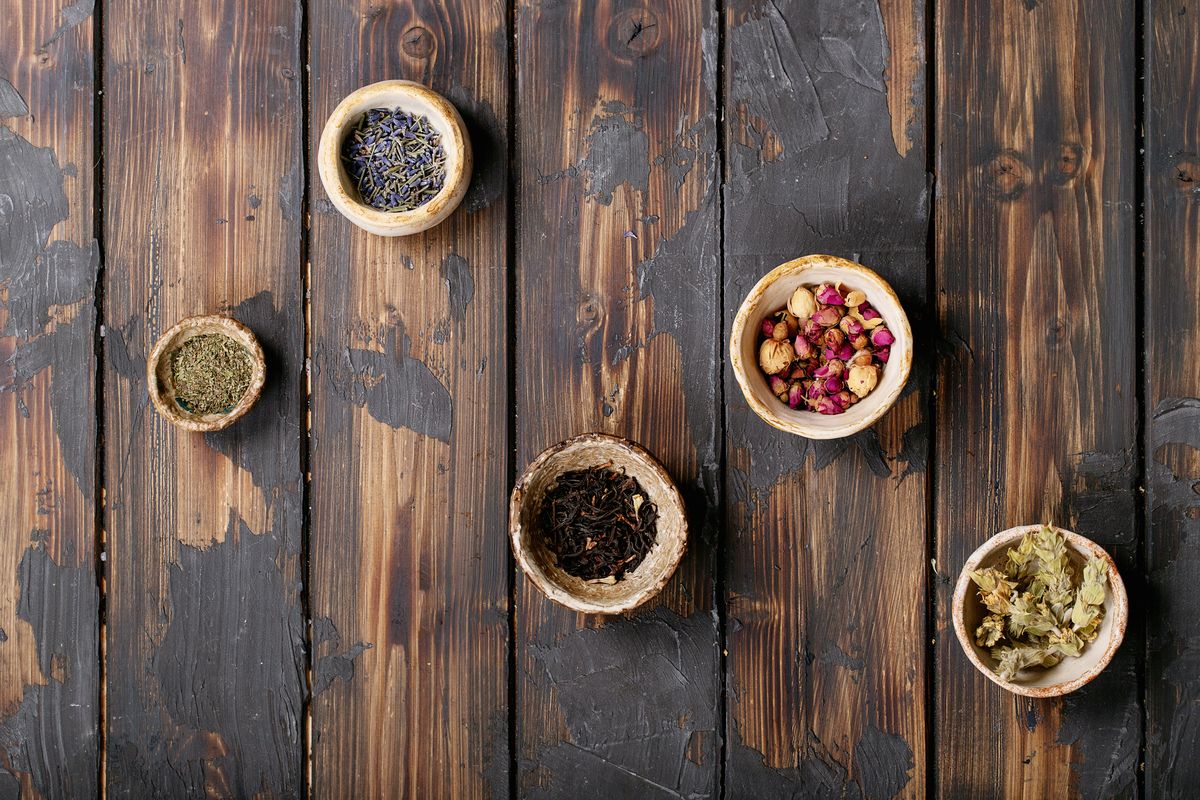
In Chinese culture, tea is medicine, meditation, and social glue all at once. Different teas carry different energies — green tea clears heat and sharpens the mind, pu-erh warms and grounds, white tea is gentle enough for the most sensitive constitution. But beyond the health benefits, tea is a doorway into ritual itself. And ritual, in the Taoist sense, is not ceremony or performance. It is simply repetition done with attention.
You do not need a gongfu tea set or rare aged oolongs to begin, though you may find yourself drawn to those things in time. Start with whatever tea you have and a few unhurried minutes. The articles and guides here will take you deeper — into tea types, brewing methods, the medicinal properties of different leaves, and the quiet practice of making something beautiful out of something ordinary.
You already have a tea ritual — you just sleepwalk through it. What if the most accessible practice of presence is already waiting in your kitchen?
Read the Complete Guide →
Most tea guides sort by flavor. This one sorts by what tea does to your body — so you can choose based on how you feel, not just what you like.
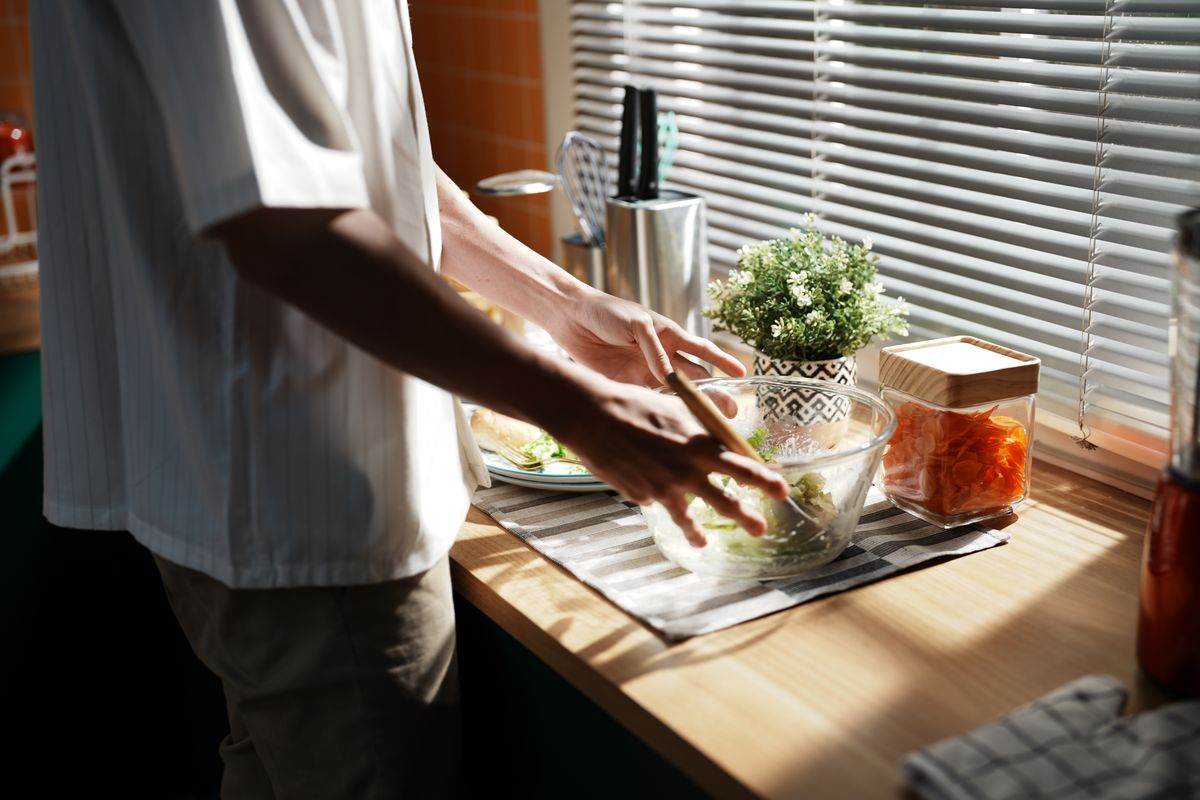
You do not need a bamboo tray or a silent room. You need ten minutes, a quiet corner, and the willingness to do one thing at a time.
You do not need an hour of meditation. You need thirty seconds and one thing you already do every day.
The line between tea and medicine is one that Western thinking drew. Your grandmother who made you ginger tea for a cold already knew that.
You already have rituals — the morning phone check, the bedtime scroll, the specific mug. The question is whether the ones you have are making your life better.
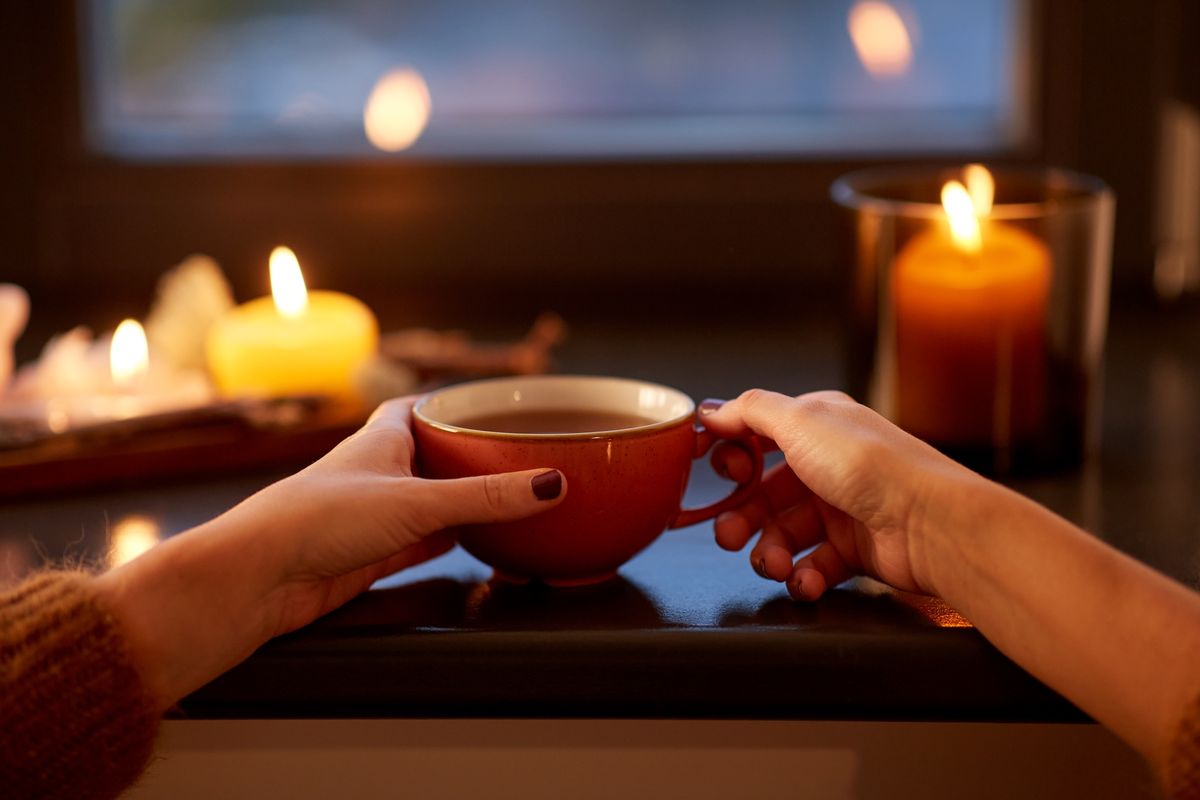
The best tea for anxiety is one part herb and one part ritual. The ten minutes it takes to make and drink one cup may be the calmest ten minutes of your day.