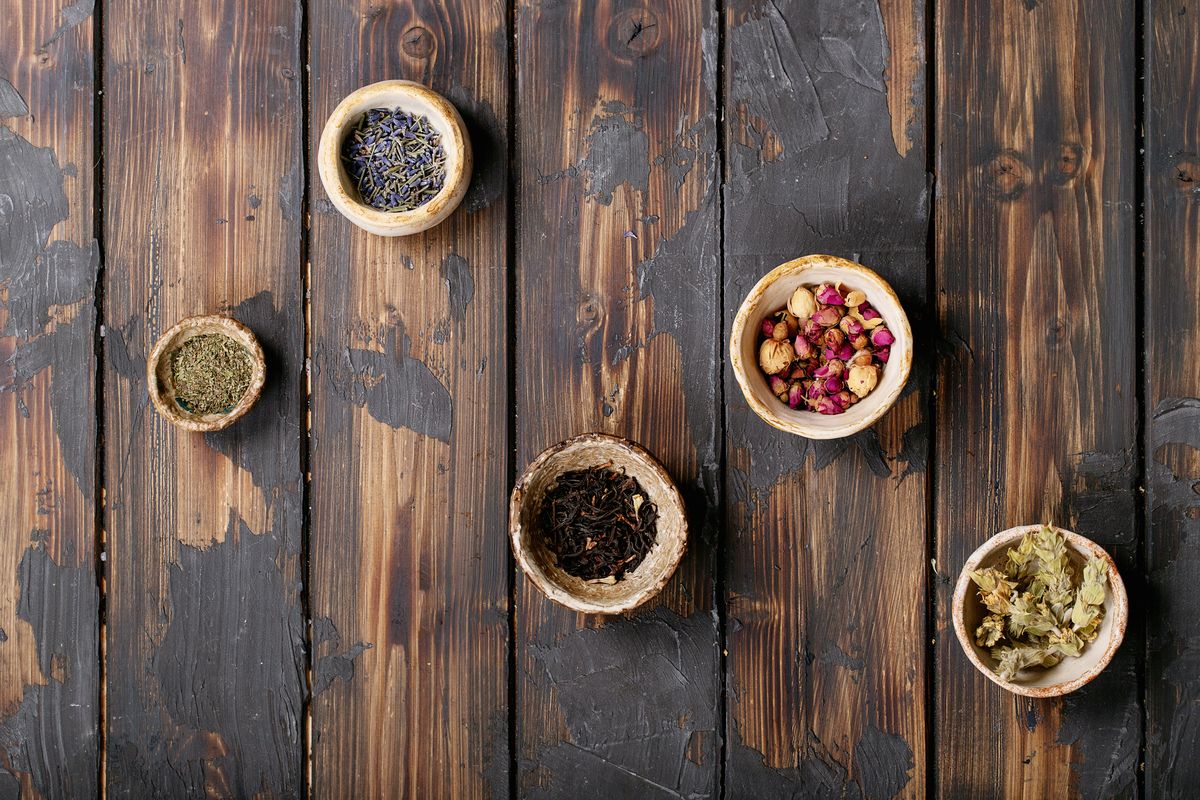
Tea as Medicine: When a Cup Becomes a Remedy
The line between tea and medicine is one that Western thinking drew. Your grandmother who made you ginger tea for a cold already knew that.
In most of the world, tea is not a beverage. It is the first thing you reach for when something feels off. A headache that showed up after lunch. A stomach that will not settle. A night of broken sleep. A day that drained you down to the sediment.
Your grandmother made ginger tea when you had a cold. She made chamomile when your stomach hurt. Mint when you felt nauseous. She did not call it herbal medicine. She did not consult a textbook. She called it tea, and she handed it to you, and you felt better.
She was right. The line between tea and medicine is one that Western thinking drew. For most of human history, and in most cultures today, that line does not exist. A cup of the right tea, at the right moment, for the right body, is medicine. Not dramatic medicine. Not the kind that replaces your doctor. The kind that catches things early, when they are still small and soft, before they harden into something that needs a prescription.
This is the simplest form of food as medicine you will ever practice. A kettle. Some leaves or roots or flowers. Hot water. Time.
Tea IS Medicine (And Always Has Been)
In Traditional Chinese Medicine, there is no hard line between food, tea, and medicine. They exist on a spectrum. At one end, rice. At the other end, concentrated herbal formulas. In between, a vast territory of teas, soups, broths, and simple preparations that have been quietly keeping people well for thousands of years.
Tea sits right in the center of that spectrum. Accessible enough for anyone. Potent enough to shift how you feel within a single cup.
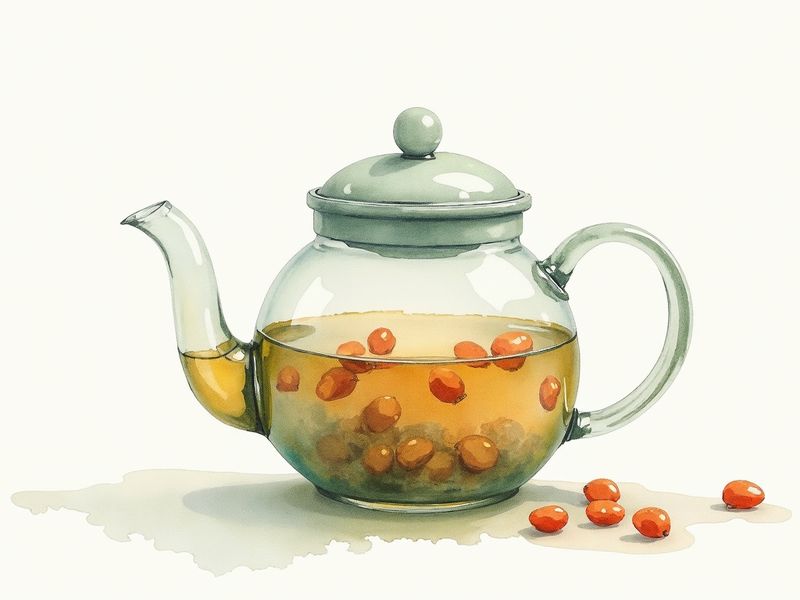
The single-herb decoction is the oldest form of Chinese herbal medicine. Before complex formulas, before pharmacies, before anything we would recognize as a medical system, there was a person and a plant and a pot of hot water. Chrysanthemum steeped to clear a headache behind the eyes. Ginger simmered to warm a cold stomach. Rose petals infused to ease a tight chest.
These are not folk remedies waiting to be replaced by something better. They are precise, time-tested, first-line responses to common imbalances. The genius is not in their complexity. The genius is in the matching — the right tea for the right pattern at the right time.
You do not need to become an herbalist. You do not need to study TCM for years. You just need to learn a few patterns, a few plants, and how to pay attention to what your body is telling you.
The Logic: Match the Tea to the Pattern
Here is where it gets practical.
TCM does not chase individual symptoms the way Western medicine often does. It identifies patterns — clusters of signs that point to an underlying imbalance. You do not have "a headache." You have a headache that comes with a red face, irritability, and a bitter taste in your mouth (that is heat). Or you have a headache that comes with fatigue, pale cheeks, and a desire to lie down in a dark room (that is depletion).
The pattern tells you what to do. The tea follows the pattern.
There are four broad patterns that cover most everyday imbalances. If you have explored your body type, you will recognize them as the four archetypes. Each one has a family of teas that gently nudge the body back toward balance.
Cold: When You Feel Chilled and Depleted
The pattern: You are tired. You run cold. Your hands and feet are icy. Your digestion is slow, maybe bloated. You want warm things, heavy blankets, early bedtimes. Energy is low. Motivation is low. Everything feels like it takes more effort than it should.
The principle: Warm what is cold. Build what is depleted. Gently stoke the fire.
Warming teas:
- Ginger — the most versatile warming herb in the entire Chinese pharmacopeia. Fresh ginger for mild cold. Dried ginger for deeper cold. Sliced, simmered for ten minutes, sipped slowly.
- Cinnamon — warming, sweet, and circulating. Opens the channels that cold has contracted. A stick in hot water, or a pinch of powder stirred in.
- Jujube (red date) — sweet, warming, deeply nourishing. Builds blood and qi. Three to five dates split open and simmered make a tea that tastes like comfort.
- Black tea — thermally warm. The most warming of the true teas. A cup of strong black tea on a cold morning does more than wake you up. It warms you from inside.
A simple cup: Slice a thumb of fresh ginger. Add three split jujube dates. Simmer in two cups of water for fifteen minutes. Drink warm. This is the kind of tea that makes you feel held.
Heat: When You Feel Hot and Restless
The pattern: You are irritable. You feel warm, maybe flushed. Your sleep is restless. Your mouth is dry. You might have headaches, especially behind the eyes. Skin might be breaking out. You are reaching for cold drinks. Everything feels a little too much.
The principle: Cool what is hot. Calm what is agitated. Clear without depleting.
Cooling teas:
- Chrysanthemum — the classic heat-clearing flower. Traditionally used for red eyes, headaches, and irritability from Liver heat. Light, slightly sweet, deeply calming.
- Mint — cooling, dispersing, clarifying. Opens what heat has congested. A few fresh leaves steeped for five minutes.
- Green tea — thermally cool. Clears the head, brightens the eyes, settles mild restlessness. The everyday cooling tea.
- White tea — the gentlest of the cooling teas. Barely processed, lightly sweet, profoundly calming. Good for people who are hot but also somewhat depleted.
A simple cup: A tablespoon of dried chrysanthemum flowers. Hot water. Steep five minutes. Add a few goji berries if you want a touch of sweetness that also nourishes the eyes. This is the tea office workers across China drink every afternoon, and they are not being trendy. They are being practical. For more on using tea to settle a restless mind, read about tea for anxiety.
Dampness: When You Feel Heavy and Foggy
The pattern: You feel heavy. Not just tired — heavy. Like your limbs are wrapped in wet towels. Your thinking is foggy. Your digestion is sluggish and bloated. You might feel congested even when you do not have a cold. Things are not flowing. They are sitting.
The principle: Dry what is damp. Drain what is stagnant. Lighten what is heavy.
Drying and draining teas:
- Barley — one of the most effective dampness-draining foods in TCM. Roasted barley tea (mugicha in Japanese, daimai cha in Chinese) is light, nutty, and remarkably good at cutting through that heavy, waterlogged feeling.
- Job's tears (yi yi ren) — the strongest dampness-draining grain in the Chinese materia medica. Simmered into a light tea, it gently pulls excess moisture from the body. Available at most Asian grocery stores.
- Aged oolong — darker oolongs that have been aged carry a drying, warming quality that lighter oolongs lack. They support digestion and help the body process dampness.
A simple cup: Toast a quarter cup of barley in a dry pan until fragrant. Simmer in four cups of water for twenty minutes. Strain and drink throughout the day. Light, pleasant, and quietly effective.
Stagnation: When You Feel Tight and Stuck
The pattern: You feel compressed. Tense. Frustrated. Your chest or ribs feel tight. You might sigh a lot without noticing. Emotions are bottled. Energy is not low — it is stuck. PMS, tension headaches, jaw clenching, that feeling of wanting to scream into a pillow. Things need to move.
The principle: Move what is stuck. Open what is closed. Let the circulation flow again.
Moving teas:
- Rose — the queen of qi-moving flowers. Gently opens the chest, eases emotional tension, moves stuck Liver qi. Beautiful, fragrant, and surprisingly effective.
- Mint — appears here again because it is both cooling and moving. Useful when stagnation has generated heat (as it often does).
- Turmeric — warming and powerfully moving. Breaks through stagnation in both qi and blood. A pinch in hot water with a crack of black pepper.
- Jasmine — fragrant, soothing, and gently circulating. Jasmine tea is not just pleasant. It is therapeutic for people who hold tension in their chest and throat.
A simple cup: A small handful of dried rose buds. Hot water. Steep five minutes. The scent alone begins the work before you take your first sip.
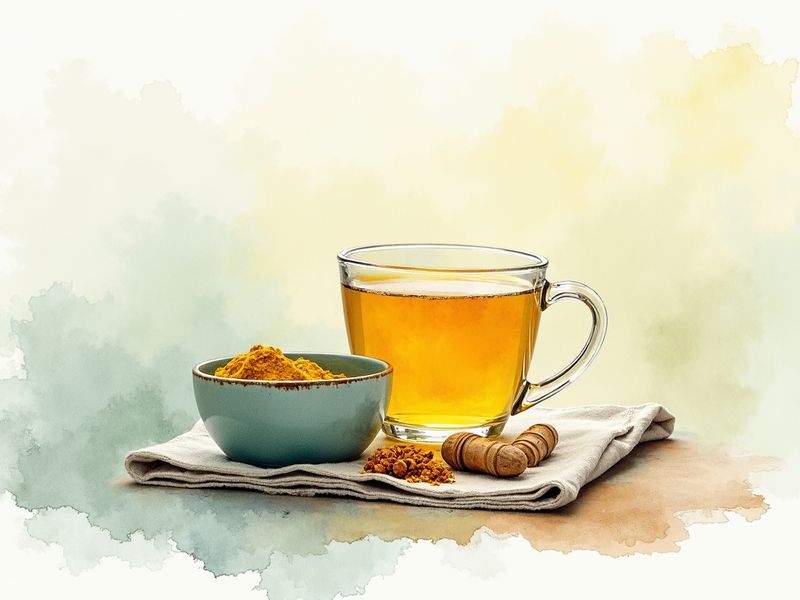
The formula is always the same: identify the imbalance, choose a tea that nudges in the opposite direction. Cold gets warmth. Heat gets cooling. Dampness gets drying. Stagnation gets movement. You do not need to be precise. You just need to be in the right neighborhood.
Basic Formulation: A Base Tea Plus One or Two Herbs
You do not need to be an herbalist to make medicinal tea. You just need a base and one or two additions that match your current state.
Start with a base. This is your canvas:
- Black tea — warming, robust. Good base for cold and depleted patterns.
- Green tea — cooling, clarifying. Good base for heat and restlessness.
- Oolong — balanced, grounding. Good base for dampness and stagnation.
- Rooibos — caffeine-free, neutral to warm. Good base when you want the comfort without the stimulation.
Add one or two herbs for your current state:
- Feeling cold and drained? Black tea + fresh ginger + jujube dates. Warming, building, deeply nourishing.
- Feeling hot and irritable? Green tea + chrysanthemum + goji berries. Cooling, calming, yin-nourishing.
- Feeling heavy and foggy? Oolong + a few slices of dried tangerine peel. Drying, moving, digestive.
- Feeling tight and stuck? Green tea + rose buds + a sprig of mint. Moving, opening, releasing.
That is the whole system. Base plus one or two herbs. Adjust by season, by body type, by how you feel when you wake up that morning. Some mornings call for ginger. Some call for chrysanthemum. Your body will tell you which, if you ask.
For a broader guide to choosing the right tea for your constitution, the tea guide goes deeper into matching teas to types and seasons.
The Ritual IS Part of the Medicine
Here is something that tends to get lost when people talk about the therapeutic properties of tea: the making of it matters.
Not in a mystical way. In a practical, physiological way.
When you choose your herbs — standing in the kitchen, opening jars, smelling dried flowers — your body begins to shift. Your attention narrows. Your breathing slows. You are no longer scrolling, not rushing, not multitasking. You are doing one thing.
When you heat the water, you wait. Waiting is not nothing. Waiting is the body settling, the nervous system stepping back from fight-or-flight, the jaw unclenching by one small degree.
When you pour the water and the steam rises and the scent reaches you, something in your chest opens. This is not poetry. This is your olfactory system communicating directly with your limbic brain, bypassing the parts of you that are stressed and overwhelmed.
By the time you take your first sip, your body has already begun to calm. The tea enters a body that is ready to receive it. A calm body absorbs differently than a tense one. A settled stomach digests differently than a clenched one.
This is the bridge between making tea a small daily ritual and making tea a form of medicine. The ritual is not separate from the healing. It is the first layer of it. Everything the herbs do, they do better in a body that has been prepared by attention.
You do not need a gongfu tea set or a meditation cushion. You need a kettle and five minutes of not looking at your phone. That is the whole practice. If you want to go deeper into this dimension, the parent guide to tea and ritual explores how to build on this foundation.
In Chinese medicine, the simplest interventions are considered the most appropriate for mild, everyday imbalances. The single-herb decoction — one plant, hot water, nothing else — is the most basic form of herbal medicine, and for common patterns, it is often the most effective. Chrysanthemum for headaches behind the eyes. Ginger for a cold stomach. Rose for a tight chest. These are not simplified versions of "real" medicine. They are the real medicine, applied at the earliest and gentlest level. The sophistication is not in the formula. It is in the matching — knowing which pattern you are looking at and which plant answers it. A complex formula for a simple problem is not better medicine. It is overthinking. The genius of tea as medicine is that it meets small imbalances with small interventions, before they become big enough to need anything stronger.
What Tea as Medicine Is Not
A few things worth saying plainly.
Tea as medicine is not a replacement for professional medical care. If something is serious, persistent, worsening, or frightening, see a practitioner. See your doctor. See a licensed herbalist or acupuncturist. The teas described here are for the mild, everyday, early-stage imbalances that make up most of ordinary life — the headache that comes from a long day, the cold stomach from too much iced coffee, the tight chest from a stressful week.
This is also not about diagnosing yourself with TCM patterns and self-prescribing complex herbal formulas. The teas here are gentle. They are foods, really — plants and flowers and roots that have been consumed safely for centuries. But if you are pregnant, nursing, taking medication, or managing a chronic condition, talk to someone qualified before adding new herbs to your routine.
The goal is not to become your own doctor. The goal is to stop being so disconnected from your own body that you miss the small signals entirely. A headache is a message. Fatigue is a message. Tension is a message. Tea as medicine is the practice of hearing those messages early and responding simply, before they have to shout.
For targeted guidance on specific concerns, you can explore tea for better sleep and tea for sharper focus — both of which apply the same matching logic to particular patterns.
Where to Begin
Start tonight. Or tomorrow morning. Pick the pattern that sounds most like you right now — cold, hot, damp, or stuck — and make one cup of the simplest tea for that pattern.
Ginger for cold. Chrysanthemum for heat. Barley for dampness. Rose for stagnation.
Do not overthink it. Do not buy twelve herbs from the internet. One tea. One cup. One act of paying attention to what your body is asking for and answering it with the simplest thing you can.
Your grandmother already knew how to do this. She just did not write it down.
The Tao Te Ching says that the sage treats what is not yet ill. This is the oldest preventive health advice ever written, and it describes tea as medicine perfectly. You do not wait for the body to break and then scramble for a fix. You notice the first whisper of imbalance — the slight chill, the creeping tension, the foggy heaviness — and you answer it with something warm, something cooling, something that moves. The cup of tea is not the medicine. The attention is the medicine. The tea is just how you deliver it.