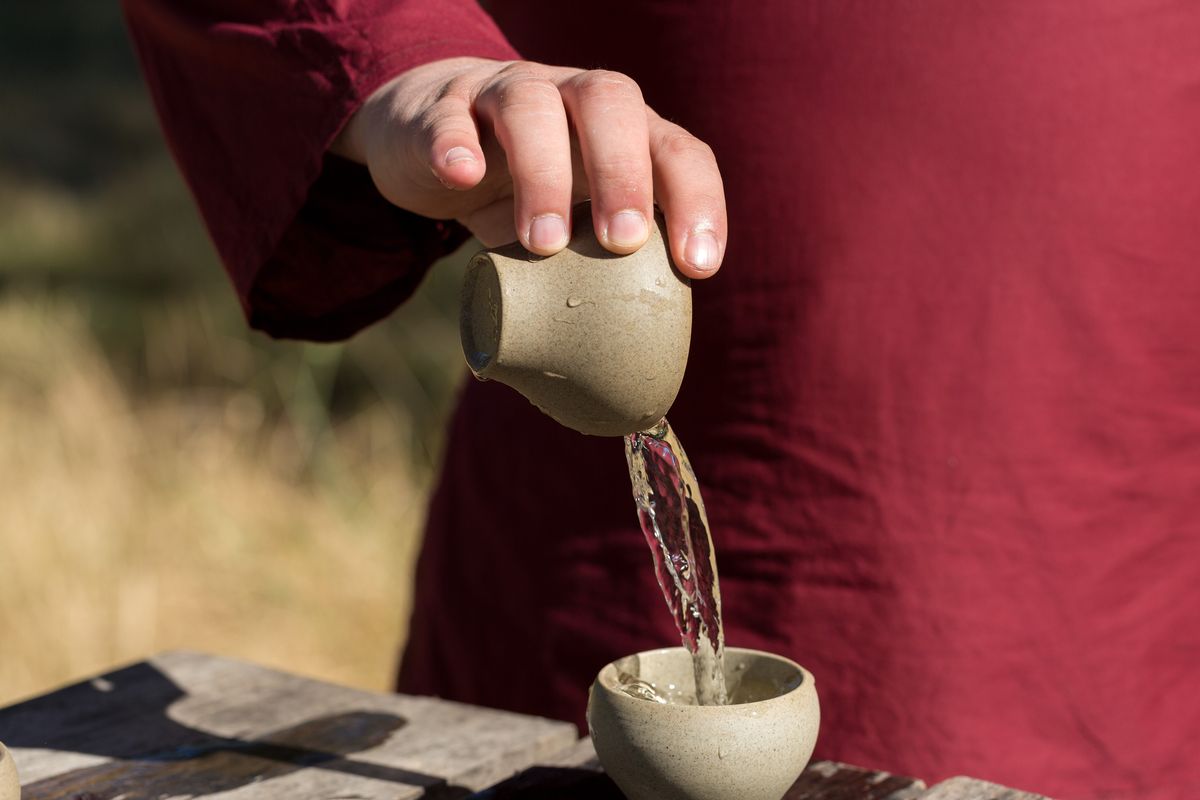
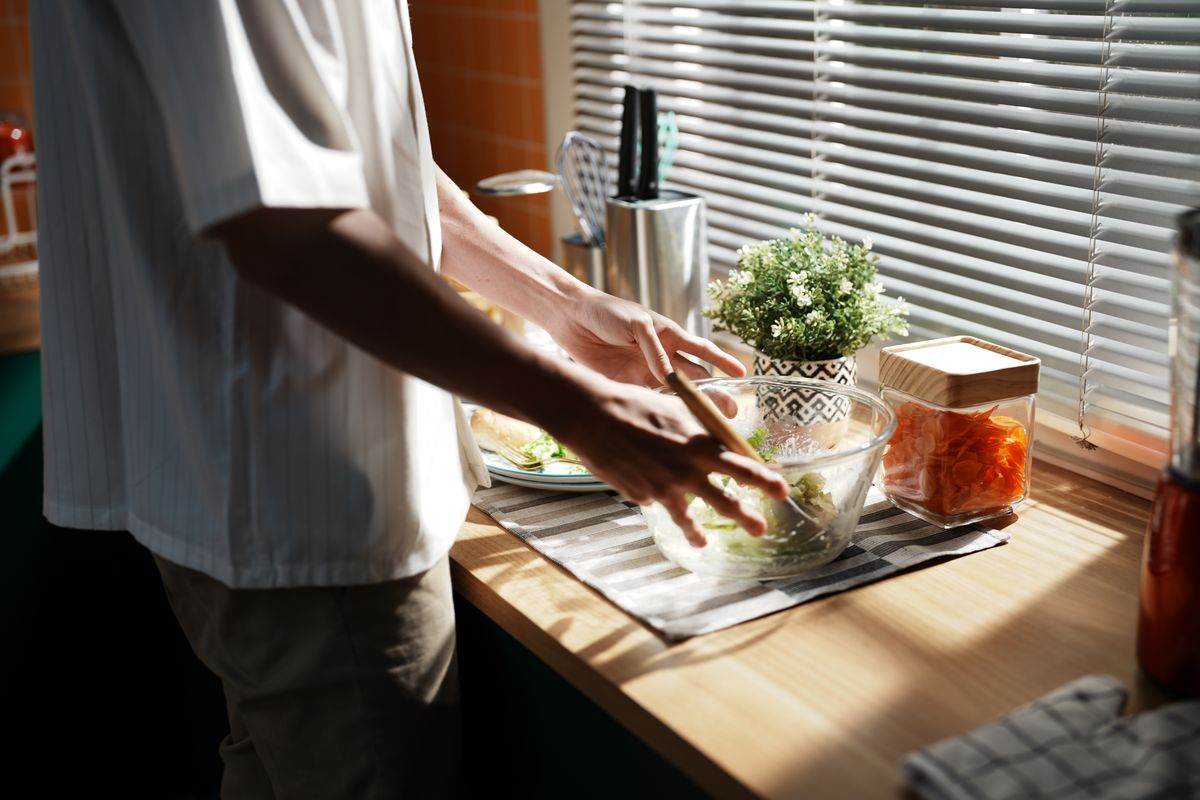
The kettle clicks off. Steam curls from the spout in a slow, lazy spiral. You reach for a cup — the same cup you always reach for — and drop in a tea bag or a pinch of loose leaf. Hot water. A pause. The smell rises.
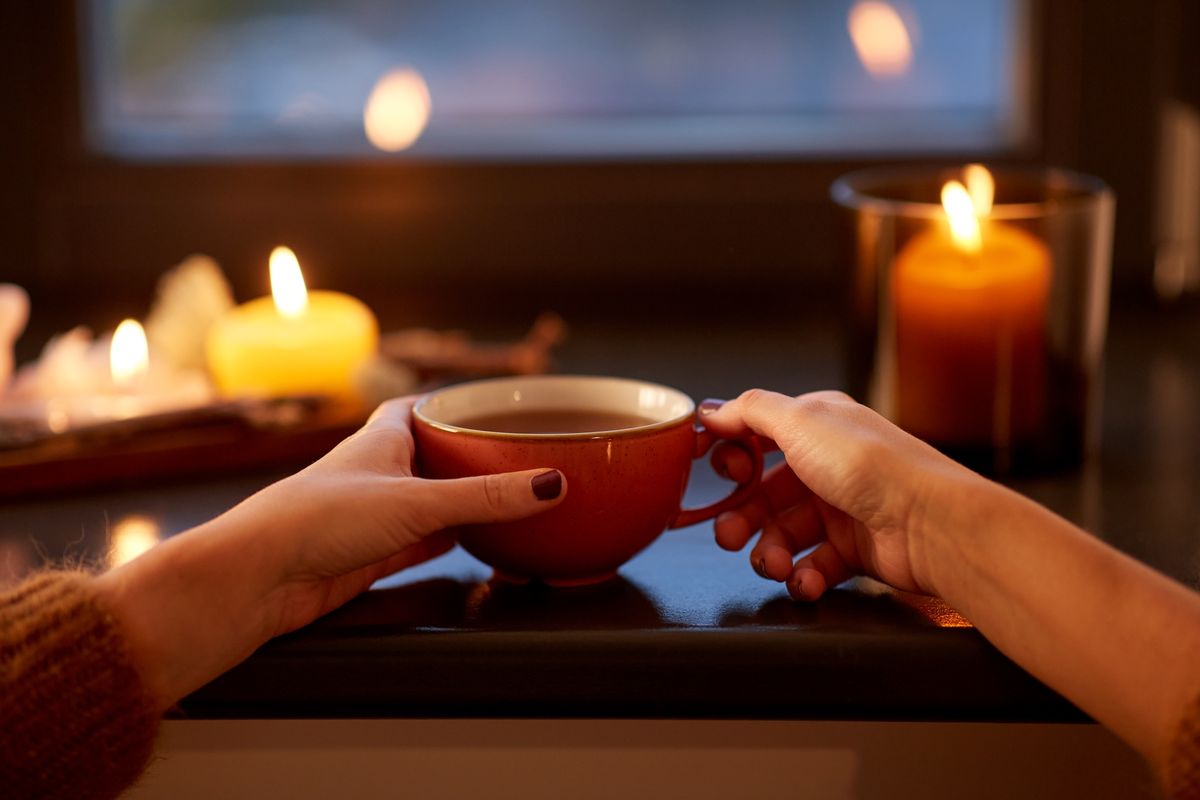
For ninety seconds, before the emails and the lunches and the questions and the noise, there is just this. Warmth in your hands. Steam on your face. A kitchen that is still half-dark.
You have done this thousands of times. You have done it so many times that it barely registers anymore — just another step between waking up and starting the day. Kettle, cup, pour, sip, go.
But what if this small, ordinary thing you already do is more than a habit? What if the most accessible practice of presence is not something you need to learn or buy or download? What if it is already sitting on your kitchen counter, waiting for you to notice it?
The Practice You Did Not Know You Had
Here is the difference between a habit and a practice: attention.
A habit is something you do without thinking. You tie your shoes. You lock the door. You make tea. The body moves through the steps while the mind is already somewhere else — reviewing the day, rehearsing a conversation, worrying about something that may never happen.
A practice is the same set of actions, done with awareness. You tie your shoes and feel the laces. You lock the door and hear the click. You make tea and actually make tea — watching the water change color, feeling the warmth move from your hands into your chest, tasting the first sip instead of gulping it while checking your phone.
Nothing changes in the action. Everything changes in the attention.
This is one of the oldest ideas in the Taoist tradition — that the profound does not live in the extraordinary. It lives in the ordinary, seen clearly. The sage does not go looking for special experiences. The sage pays attention to the ones already happening.
You already have a tea practice. You just have not been paying attention to it yet.
Why Tea? The Simplest Entry Point
Of all the ways to practice presence, tea has the lowest barrier to entry. You need a cup and hot water. That is it. You do not need a meditation cushion or a journal or an app with a subscription fee. You do not need thirty minutes or a quiet room or a specific mindset. You need a kettle and two minutes.
Tea also has something most practices do not: it engages every sense. The sound of water heating. The smell of leaves steeping. The warmth of the cup in your hands. The color shifting in the water. The taste — bitter, sweet, grassy, smoky, floral — arriving on your tongue. There is so much to notice in a single cup of tea that boredom becomes almost impossible, if you are actually paying attention.
And then there is the built-in pause. You cannot rush a steep. You can rush a coffee — pour it, gulp it, go. But tea asks you to wait. Three minutes. Five minutes. The leaves need time. And while you wait, there is a small window where nothing needs to happen. No task. No decision. Just standing in your kitchen while water and leaves do their quiet work.
This is why tea has been the foundation of contemplative traditions across Asia for thousands of years. Not because it is magical. Because it is ordinary — and the ordinary, met with full attention, is where transformation lives.
Tea is the original "functional beverage." Long before the supplement industry started putting adaptogens in everything, people were choosing their tea based on how they felt and what their body needed. Not from a label. From experience. From paying attention.
How Tea Works on Your Body — The TCM Basics
In Traditional Chinese Medicine, tea is not just a drink. It is a tool — a way of gently nudging the body toward balance based on what it needs in this moment.
Every tea has what TCM calls a thermal nature. This is not about the temperature of the water. It is about the effect the tea has on your body after you drink it.
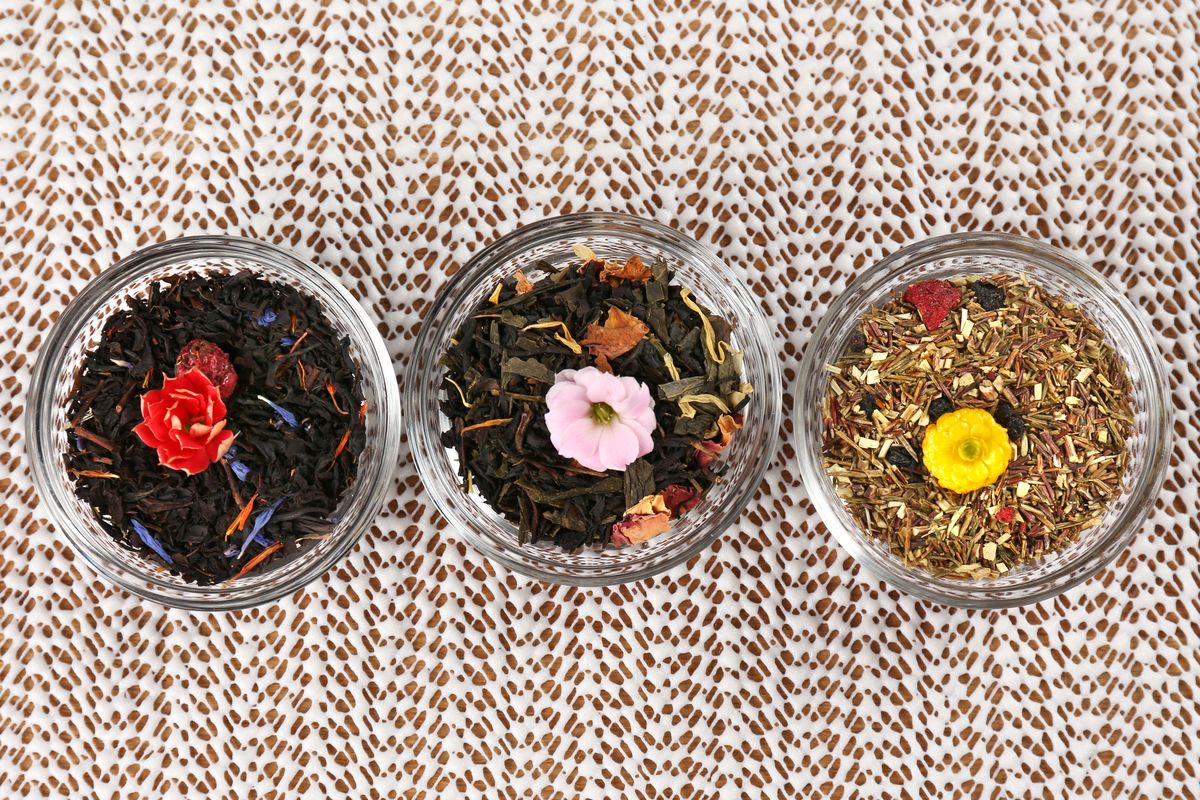
Warming teas generate internal heat. They get things moving, stimulate digestion, push energy outward and upward. Black tea, ginger tea, cinnamon tea, pu-erh — these are warming. You feel them in your stomach first, then spreading through your limbs. On a cold morning when you wake up sluggish and stiff, a warming tea is not just comforting. It is functional.
Cooling teas do the opposite. They clear heat, calm agitation, settle what is rising too fast. Green tea, white tea, chrysanthemum, peppermint — these bring things down. When you are flushed, irritable, or running hot after a stressful day, a cooling tea helps your body find its way back to center.
Neutral teas sit in the middle. Oolong, rooibos, some lightly oxidized teas — these neither push nor pull. They are balancers, good for everyday drinking when nothing is dramatically off.
Beyond thermal nature, TCM also describes tea in terms of direction — what it does to your energy once it enters the body.
Some teas lift. They raise energy upward, which is useful when you feel heavy, foggy, or sinking. Green tea does this. So does jasmine.
Some teas descend. They bring energy downward, which is useful when you feel anxious, restless, or ungrounded. Pu-erh does this. So does chamomile.
Some teas move. They circulate stuck energy, which is useful when you feel tight, frustrated, or stagnant. Rose tea does this. So does mint.
Some teas anchor. They consolidate scattered energy, which is useful when you feel flighty, distracted, or unmoored. Reishi tea does this. So does roasted barley.
You do not need to memorize any of this. You just need to start noticing. When you drink ginger tea, do you feel warmer? When you drink green tea, do you feel clearer? When you drink chamomile, do you feel calmer? Your body already knows what these teas do. The practice is learning to listen.
Why This Works — TCM Perspective
Every tea has a thermal nature and a set of actions on the body — warming or cooling, lifting or descending, moving or anchoring. When you choose tea based on how you feel rather than what sounds good, you are practicing a basic form of self-diagnosis. You are listening to your body and responding. Ginger tea on a cold morning is not a beverage choice. It is your body asking for warmth and you actually hearing it. Chrysanthemum on a hot, irritable afternoon is not a preference. It is intelligence. This is how people lived for thousands of years before nutrition labels — they paid attention, and they let the body guide. The tea is the teacher. Your only job is to notice.
Tea for Your Type: A Brief Map
If you have spent any time on this site, you may already recognize your pattern — the way your body tends to fall out of balance. Here is a starting point for choosing tea that meets you where you are. For a deeper guide, see the full tea guide.
If you run cold and depleted — you wake up tired. Your hands and feet are often cold. Your digestion is slow. You feel like you are running on empty and no amount of sleep quite fills the tank.
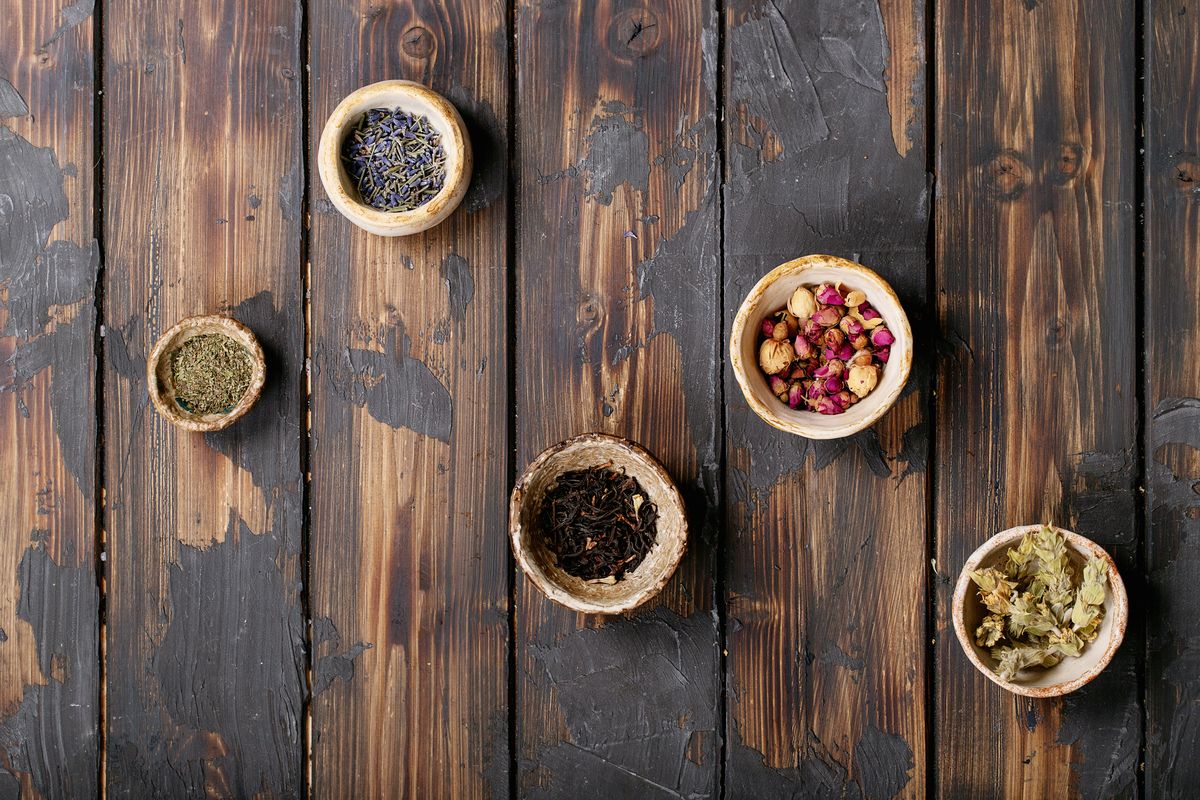
Your teas: ginger, pu-erh, black tea, cinnamon, roasted barley, chai. Warming, grounding, nourishing. Drink them hot. Hold the cup with both hands. Let the warmth be the practice.
If you run hot and restless — you run warm. Your mind races. You are quick to irritate, quick to flush, quick to say yes to things and then resent them later. There is too much fire and not enough stillness.
Your teas: chrysanthemum, green tea, white tea, peppermint, hibiscus. Cooling, calming, clearing. Brew them lighter. Sip slowly. The tea is asking you to slow down — let it.
If you run heavy and foggy — mornings are hard. There is a thickness to your body and your thinking, like moving through water. Motivation comes in short bursts, then fades.
Your teas: barley tea, oolong, rosemary, ginger-lemon, green tea. These cut through dampness. They are lighter, moving, clarifying. Drink them between meals. Let the tea be the thing that lifts the fog.
If you run tight and stuck — your jaw clenches. Your shoulders live near your ears. You hold tension like it is something precious, and the holding makes everything worse. Emotions do not flow — they build.
Your teas: rose, jasmine, mint, turmeric, lavender. These move stuck energy. They open what is closed. They remind the body that it is allowed to let go. Brew them with intention. Breathe the steam before you sip.
These are starting points, not prescriptions. Your body will tell you what works — if you pay attention.
How Ritual Works on Your Mind
Tea is the vehicle. Ritual is the engine.
A ritual is not a routine. A routine is something you do on autopilot — brush teeth, make coffee, drive to work. A ritual is a routine that you have invested with attention. The actions may be identical. The quality of presence is what makes the difference.
And here is why ritual matters: it is a pattern interrupt.
Your nervous system runs on patterns. Wake up, reach for phone, scroll, react, rush, scroll, react, rush — all day long, the same loop. The nervous system stays in a low-grade state of alertness because there is never a clear signal that says: stop. Be here. This moment is different from the last one.
A ritual is that signal.
When you make tea with attention — when you hear the kettle, feel the cup, watch the water, wait for the steep, take the first sip with your eyes closed — your nervous system gets a message it almost never receives: we are safe. We are here. Nothing needs to happen right now.
This is not mystical. It is neurological. Ritual activates the parasympathetic nervous system — the rest-and-digest mode that most of us rarely enter during waking hours. The repetition tells the brain this is familiar, this is safe. The sensory engagement — smell, warmth, taste — anchors you in the present moment. The pause between actions creates micro-transitions, tiny doorways from one state of being to another.
Each step of making tea is an opportunity for presence. Not because tea is sacred. Because attention is.
Filling the kettle. Hearing the water begin to heat. Choosing the tea. Placing it in the cup. The pour. The wait. The first sip.
Seven steps. Seven small moments where you are either here or somewhere else. Seven chances to practice.
Over time — weeks, months — these seven moments start to bleed into the rest of your day. The attention you practice during tea starts showing up at other moments. You notice the water on your hands when you wash them. You taste the first bite of lunch. You hear what someone is saying instead of planning your response.
The ritual trains the muscle. The muscle works everywhere.
Beyond Tea: Micro-Rituals for Any Moment
Tea is the gateway. It is not the only door.
Once you understand that ritual is simply attention applied to a repeated action, you start seeing opportunities everywhere. The morning stretch that becomes a body check-in. The walk from car to office that becomes two minutes of noticing the sky. The three breaths before you open your laptop. The way you wash your hands — really wash them, feeling the water, the soap, the temperature.
These are micro-rituals — tiny practices of presence embedded in the things you already do. They require no extra time. They require no equipment. They only require the decision to be here for this one small thing.
The power of micro-rituals is their accumulation. One moment of presence does not change your life. But twenty moments of presence, scattered through a single day, start to shift the texture of how you experience that day. The hours feel longer — in a good way. There is more room. More air. More of the day actually registers in your memory instead of sliding past unnoticed.
In the Taoist tradition, this is how real change works. Not through dramatic overhauls or heroic acts of discipline, but through small, repeated returns to what is actually happening. Wu wei — the principle of effortless action — is not about doing nothing. It is about doing the right thing at the right moment with the right quality of attention. And the right moment is almost always this one.
If you want to explore the deeper tradition of tea as ceremony — the way cultures have formalized this practice into something communal and beautiful — that path is waiting in the tea ceremony section. And if you are curious about specific teas for specific conditions — sleep, digestion, stress, seasonal transitions — the tea as medicine section goes deeper into the TCM framework.
But you do not need any of that to start. You just need a cup.
Getting Started: One Cup, One Week
Here is the practice. It is simple enough to start today.
Pick one tea. Not the best tea. Not the most interesting tea. Not the one with the most health benefits. Just one you like, or one that sounds right based on your type. It does not matter which.
Pick one time. Morning is easiest. Before the day starts. Before the phone. But afternoon works too — that midday lull when you usually reach for a snack or scroll through something. Any consistent time works. Same time, every day.
Make it with attention. Not as a meditation. Not as a performance. Just — be there while you make it. Hear the water. Feel the cup. Watch the color change. Wait for the steep. Do not check anything. Do not plan anything. Just make tea.
Drink it without doing anything else. This is the hardest part. No phone. No book. No podcast. No conversation. Just you and the cup. If you get bored, notice the boredom. If your mind races, notice the racing. If you feel restless, notice the restlessness. You do not need to fix any of it. Just notice.
Do this for one week. Seven days. Same tea, same time, same attention. That is the whole experiment.
Do not optimize. Do not research the perfect water temperature or the ideal steeping time or the most health-promoting variety. The optimization instinct is the opposite of what this practice is asking you to do. It is asking you to stop improving and start noticing.
At the end of the week, you will know something you did not know before — not from reading about it, but from experiencing it. You will know what it feels like to give your full attention to something simple, repeatedly, without trying to get anywhere.
That knowing is the beginning of everything else on this site. Food as medicine is attention applied to eating. Seasonal living is attention applied to the rhythms of the year. Conscious living is attention applied to how you move through your day. It all starts with the same thing — the willingness to be here, fully, for something small.
Going Deeper — The Tao Perspective
The Tao Te Ching tells us that the ten thousand things arise from simplicity and return to simplicity. The extraordinary does not live somewhere special. It lives inside the ordinary, waiting to be seen. A cup of tea is just a cup of tea — until you give it your full attention, and then it becomes a doorway. Not to something mystical or exotic, but to your own life, happening right now, in this kitchen, in this light. The transformation that tea offers is not about the tea at all. It is about what happens when you stop performing your life and start being in it. When you stop rushing toward the next moment and let this one be enough. Effortless change — the kind that actually lasts — does not come from force or discipline. It comes from presence. From the willingness to be fully where you are, doing fully what you are doing, without needing it to lead somewhere. The cup is warm. The steam rises. You are here. That is the whole practice. That is the whole path.
Where to Go from Here
You do not need to read everything. You need one thread to pull. Here is what is waiting:
The Tea Guide — A deeper look at tea types, thermal natures, and how to choose based on your body, your season, and your state. The practical companion to what you have read here.
Micro-Rituals — Beyond tea. How to embed small practices of presence into the things you already do — walking, washing, eating, breathing, transitioning between tasks.
Tea Ceremony — The communal and ceremonial traditions of tea. What happens when you share the practice with others, and why cultures around the world have built entire traditions around a pot of hot water and some leaves.
Tea as Medicine — The TCM framework for using tea therapeutically. Specific teas for specific conditions — sleep, digestion, stress, immunity, seasonal balance.
Not sure where to start? Start with the cup. One tea, one week, full attention. Everything else will follow.