
The Thermal Nature of Foods: Why Temperature Matters More Than You Think
Every food carries an invisible thermal energy that affects your body long after you swallow. Here's how to feel it.
You probably think of food temperature as simple: hot soup, cold salad, lukewarm leftovers you eat standing over the sink at 10 p.m. That kind of temperature matters, sure. But there is another kind of temperature hiding inside your food that affects you far more than whether your lunch came out of a microwave or a refrigerator.
It is called the thermal nature of food, and once you start noticing it, you will never eat quite the same way again.
This idea sits at the heart of food as medicine — the understanding that what you eat does not just fill you up. It shifts something inside you. It warms you or cools you, steadies you or stirs you, long after the plate is cleared.
You do not need to memorize charts or learn a new language to work with this. You just need to start paying attention.
What "Thermal Nature" Actually Means
Here is the simplest way to explain it: every food has its own built-in energy that either warms your body, cools it, or leaves it roughly neutral. This energy has nothing to do with the temperature of the food on your plate.
Ginger tea served over ice is still a warming food. Watermelon heated in a pan is still a cooling food. The thermal nature lives inside the food itself — in its chemistry, its essential character — not in whether someone microwaved it.
Think of it this way. You know how a wool blanket feels warm even when it has been sitting in a cold closet? The warmth is a property of the wool, not of the room temperature. Foods work the same way. A bowl of oatmeal carries warmth in its nature. A slice of watermelon carries coolness. This does not change based on what you do to the food before it reaches your mouth.
This concept has been central to traditional Chinese medicine for thousands of years, but you do not need to take anyone's word for it. You have probably already felt it without knowing what to call it. That flush you get after eating spicy curry, even when the restaurant is freezing? That is not just the chili peppers burning your tongue. Your whole body is heating up because those foods are thermally hot. The calm, slightly cool feeling after eating a pear on a summer afternoon? That is the pear's cooling nature doing exactly what it does.
Your body already knows this. The trick is learning to listen.
The Five Thermal Categories
Traditional Chinese medicine sorts all foods into five thermal categories. This is not a rigid system — there is room for nuance — but it gives you a useful starting framework.
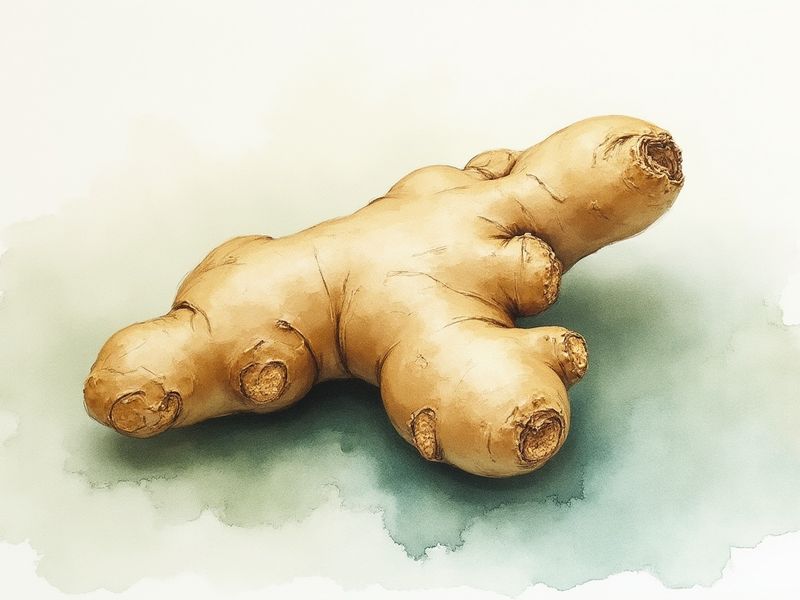
Hot
These foods strongly heat the body. They speed things up, stimulate circulation, and push energy outward. A little goes a long way.
Common examples: lamb, chili peppers, black pepper, cinnamon bark, dried ginger, spirits (hard liquor)
Hot foods are powerful. They can rescue you when you are bone-cold, but too many of them will leave you overheated, restless, and dried out. Think of them like turning your thermostat to the maximum — useful in an emergency, not great as a daily setting.
Warm
These foods gently heat the body without pushing it to extremes. They support digestion, build energy, and feel deeply nourishing. For most people, warm foods form the backbone of good eating.
Common examples: chicken, oats, quinoa, sweet potato, ginger (fresh), leek, onion, garlic, walnuts, dates, cherry, peach, coconut, brown sugar
If you are someone who runs cold, feels tired a lot, or struggles with sluggish digestion, warm foods are your best friends. They are also what most of the warming food recommendations for people who feel cold and tired are built around.
Neutral
These foods neither warm nor cool the body significantly. They are the steadying center of your diet — dependable, gentle, and appropriate for almost everyone in almost every season.
Common examples: rice (white and brown), corn, potato, egg, beef, pork, carrot, cabbage, sweet potato, string bean, shiitake mushroom, peanut, almond, fig, grape, olive oil, honey
Neutral foods are the quiet heroes. They do not grab your attention the way a fiery chili pepper does, but they hold everything together. Most traditional diets around the world are built on a foundation of neutral foods — rice in Asia, potatoes in South America, bread grains across Europe — and that is not a coincidence.
Cool
These foods gently reduce heat in the body. They calm inflammation, ease restlessness, and bring things back toward center when you have been running hot.
Common examples: barley, millet, wheat, tofu, duck, most white fish, celery, spinach, broccoli, zucchini, cauliflower, pear, apple, strawberry, mango, green tea, chrysanthemum tea
Cool foods are especially helpful in warm weather, for people with inflammatory conditions, or for anyone whose body type runs naturally hot. They soothe without suppressing.
Cold
These foods strongly cool and slow the body. They clear heat, reduce swelling, and calm excess. Like hot foods, they are potent — a little goes a long way, and too much can weaken digestion over time.
Common examples: watermelon, banana, persimmon, bitter melon, seaweed, clam, crab, lettuce, cucumber, kelp, mung bean, peppermint tea, ice cream
Cold foods are exactly what you want on a scorching August afternoon when your body is overheating. But eating them daily in winter, or when your digestion is already weak, is like pouring cold water on a sputtering campfire. You do not get a better fire. You get smoke.
In TCM, your Spleen and Stomach work together like a warm pot that cooks and transforms your food into usable energy. When you eat cold or raw food, your body has to spend its own energy heating that pot back up before digestion can begin. Over time, this drains your digestive fire — what TCM calls Spleen qi.
A person with strong Spleen qi can handle occasional cold food without issue. But when Spleen qi is already weak (common in people who are chronically tired, bloated, or cold), warm food arrives ready to be absorbed. It's not about willpower or discipline. It's about working with your body's current capacity, not against it.
How to Feel Thermal Nature in Your Own Body
You do not need a textbook to figure out which thermal category a food falls into. You have the most reliable instrument available: your own body. It has been registering this information your entire life. You just have not been asking it the right questions.
Here is a simple experiment. Pick a morning when you are not in a rush — a weekend, maybe, or any day when you can sit with your breakfast for twenty minutes instead of eating it one-handed while driving.
Make yourself a warm, cooked breakfast. Oatmeal with a little cinnamon and walnuts. Congee with ginger. Scrambled eggs with sauteed vegetables. Something simple, something warm.
After you eat, sit for a few minutes. Not meditating, not doing anything special. Just sitting. And notice.
Ask yourself:
- Does my stomach feel comfortable or heavy?
- Do I feel warmer or cooler than before I ate?
- Do I feel energized or sluggish?
- Does my mind feel clearer or foggier?
Do the same thing on a different morning with a cold or raw breakfast. A smoothie with frozen fruit. Cold cereal with milk straight from the fridge. A big green salad.
Same questions. Same honest noticing.
Most people are surprised by how obvious the difference is once they start looking for it. The warm breakfast tends to leave people feeling settled, comfortable, and gently energized. The cold breakfast often brings a temporary brightness followed by a dip — a heaviness in the stomach, a sluggishness that takes a while to clear.
This does not mean cold food is bad. It means your body is talking to you, and now you know how to hear it.
Signs You Are Eating Too Many Cold or Raw Foods
Pay attention if you notice a pattern of:
- Bloating or loose stools, especially after meals
- Feeling cold even in warm rooms
- Low energy that does not improve with sleep
- A heavy, waterlogged feeling in your limbs
- Craving warm drinks constantly
- Pale complexion or a swollen-looking tongue
These are signs that your digestive fire may be struggling. If this sounds like you, you might want to read more about what happens when you eat too much raw food. The fix is usually simpler than people expect — more cooked food, fewer icy drinks, and a bit of ginger. Nothing dramatic.
Signs You Are Eating Too Many Hot or Warming Foods
The other direction matters too. Watch for:
- Feeling overheated, especially at night
- Restlessness or irritability that seems to come from nowhere
- Dry mouth, dry skin, or dry stools
- Red face or skin breakouts
- Strong thirst, especially for cold drinks
- Heartburn or acid reflux
If this is you, your body is asking for balance in the other direction. More cool and neutral foods, fewer spicy meals, more pears and less black pepper.
The Ice Water Question
Let's talk about something that might feel personal: ice water.
Americans ice everything. Ice water at restaurants before you even sit down. Iced coffee in January. Smoothies as meal replacements. Giant insulated cups of ice water carried around all day like security blankets.
This is one of the places where traditional Chinese medicine and modern American habits diverge most sharply — and where the thermal nature of food gets very practical.
In TCM, your digestion runs on warmth. Think of your stomach as a pot of soup simmering on a stove. That gentle heat is what breaks food down and turns it into energy your body can use. When you pour a glass of ice water into that pot, the fire has to work harder just to bring everything back up to temperature before any digesting can happen.
One glass of ice water now and then is not a disaster. Your body can handle it. But glass after glass, day after day, year after year — that is a lot of extra work for a system that might already be tired.
This is especially relevant if you are someone who already struggles with bloating, sluggish digestion, or low energy. If you have ever wondered why your daily salad might be making you tired, the temperature piece is often part of the puzzle. A big bowl of raw, cold vegetables washed down with ice water asks your body to do a lot of warming before any nutrition gets absorbed.
The shift does not have to be extreme. You do not need to drink hot water with every meal, though many people around the world do exactly that and feel great. You could simply:
- Ask for water without ice at restaurants
- Let your water come to room temperature before drinking
- Swap one iced drink per day for a warm one
- Save cold drinks for hot weather, when your body actually wants cooling
Small changes. No drama. Just a gentler relationship with your digestion.
Seasonal Eating as Thermal Balancing
If you step back far enough, you can see that nature already solved this problem. The foods that grow in each season tend to match the thermal support your body needs during that season. This is not a coincidence. It is one of the oldest patterns in human nutrition.
Winter: Lean Into Warmth
Winter is cold. Your body works harder to stay warm. Your digestion naturally slows down a bit, conserving energy. This is the time for:
- Soups, stews, and slow-cooked meals
- Warming spices like ginger, cinnamon, and black pepper
- Root vegetables, squash, and hearty grains
- Warm breakfasts instead of cold cereal
- Lamb, chicken, and bone broth
Winter is not the time for raw juice cleanses or ice cream for dinner. Your body needs fuel, and warm fuel works best.
Spring: Begin the Transition
As the world warms up, your body starts to lighten. The heavy, warming foods of winter become less necessary. Spring is a time to gradually shift:
- Lighter cooking methods — steaming and stir-frying instead of braising and roasting
- More green vegetables, sprouts, and fresh herbs
- Slightly less meat, slightly more plant foods
- A mix of warm and cool foods as the weather seesaws
Spring is a bridge. You do not need to leap from winter stew to summer salad overnight. Let your body adjust the way the season does — gradually, with the occasional step backward on a cold day.
Summer: Welcome Coolness
Summer is hot. Your body is already warm. This is the one season where cool and cold foods actually make sense as a regular part of your diet:
- Watermelon, cucumber, and fresh fruit
- Salads and lightly cooked vegetables
- Mung bean soup, barley water, green tea
- Lighter proteins like fish and tofu
- Less heavy spice, less rich meat
Summer is when that ice water feels right because your body genuinely needs cooling. Even TCM agrees — cold food in hot weather is appropriate. The problem is not cold food itself. It is cold food at the wrong time.
Autumn: Warm Up Again
As summer fades, the air dries out and temperatures drop. Your body starts asking for warmth and moisture again:
- Pears (a classic autumn food — cool and moistening for dry lungs)
- Soups and congee return to the rotation
- Warming spices come back gradually
- Root vegetables and squash take center stage
- Honey and sesame to moisten what the dry air depletes
Autumn is about preparation. You are building reserves for winter, and your food should reflect that.
For a deeper look at how to eat with each season throughout the year, eating with the seasons covers this in much more detail.
Quick-Reference Thermal Chart
Here is a practical chart you can come back to whenever you are planning meals or trying to figure out why your body feels the way it does. This is not exhaustive — there are hundreds of foods classified in the TCM tradition — but it covers the ones most people eat regularly.
Grains and Starches
| Food | Thermal Nature |
|---|---|
| Oats | Warm |
| Quinoa | Warm |
| Sweet rice (glutinous) | Warm |
| Brown rice | Neutral |
| White rice | Neutral |
| Corn | Neutral |
| Potato | Neutral |
| Sweet potato | Neutral |
| Millet | Cool |
| Barley | Cool |
| Wheat | Cool |
| Buckwheat | Cool |
Vegetables
| Food | Thermal Nature |
|---|---|
| Leek | Warm |
| Onion | Warm |
| Garlic | Hot |
| Scallion | Warm |
| Pumpkin | Warm |
| Carrot | Neutral |
| Cabbage | Neutral |
| Shiitake mushroom | Neutral |
| String bean | Neutral |
| Yam | Neutral |
| Broccoli | Cool |
| Celery | Cool |
| Spinach | Cool |
| Zucchini | Cool |
| Cauliflower | Cool |
| Eggplant | Cool |
| Tomato | Cool |
| Cucumber | Cold |
| Bitter melon | Cold |
| Lettuce | Cold |
| Seaweed | Cold |
Fruits
| Food | Thermal Nature |
|---|---|
| Cherry | Warm |
| Peach | Warm |
| Date (red/jujube) | Warm |
| Coconut | Warm |
| Longan | Warm |
| Lychee | Warm |
| Fig | Neutral |
| Grape | Neutral |
| Olive | Neutral |
| Papaya | Neutral |
| Plum | Neutral |
| Apple | Cool |
| Pear | Cool |
| Strawberry | Cool |
| Mango | Cool |
| Orange | Cool |
| Kiwi | Cold |
| Banana | Cold |
| Watermelon | Cold |
| Persimmon | Cold |
| Grapefruit | Cold |
Proteins
| Food | Thermal Nature |
|---|---|
| Lamb | Hot |
| Venison | Warm |
| Chicken | Warm |
| Shrimp | Warm |
| Mussel | Warm |
| Beef | Neutral |
| Pork | Neutral |
| Egg | Neutral |
| Salmon | Neutral |
| Duck | Cool |
| White fish (cod, sole) | Cool |
| Tofu | Cool |
| Crab | Cold |
| Clam | Cold |
Nuts and Seeds
| Food | Thermal Nature |
|---|---|
| Walnut | Warm |
| Chestnut | Warm |
| Pine nut | Warm |
| Peanut | Neutral |
| Almond | Neutral |
| Sunflower seed | Neutral |
| Sesame (black) | Neutral |
| Flax seed | Neutral |
Spices and Seasonings
| Food | Thermal Nature |
|---|---|
| Chili pepper | Hot |
| Black pepper | Hot |
| Cinnamon bark (rou gui) | Hot |
| Dried ginger | Hot |
| Fresh ginger | Warm |
| Turmeric | Warm |
| Cumin | Warm |
| Fennel | Warm |
| Star anise | Warm |
| Cardamom | Warm |
| Basil | Warm |
| Rosemary | Warm |
| Dill | Warm |
| Soy sauce | Neutral |
| Peppermint | Cool |
| Salt | Cold |
Beverages
| Beverage | Thermal Nature |
|---|---|
| Chai (spiced tea) | Warm |
| Ginger tea | Warm |
| Cinnamon tea | Warm |
| Black tea | Warm |
| Pu-erh tea | Warm |
| Jasmine tea | Neutral |
| Oolong tea | Neutral |
| Green tea | Cool |
| Chrysanthemum tea | Cool |
| Peppermint tea | Cool |
| Barley water | Cool |
Putting It All Together
You do not need to eat perfectly according to a thermal chart. Nobody does, and nobody needs to. The goal is not to turn eating into a math problem. The goal is to have one more piece of information about yourself and your food — one more way to understand why you feel the way you feel after you eat.
If you run cold, favor warm. If you run hot, favor cool. If you are somewhere in the middle, lean neutral and adjust with the seasons. If you are not sure where you fall, exploring your body type can help you figure that out.
Start with one meal. One day. One small shift. Notice what happens. Trust what your body tells you, even if it surprises you.
This is not a diet. It is a conversation between you and your food, and you have been missing half of what your food has been saying.
Nature doesn't force growth in winter or rest in summer. Everything has its time, its temperature, its rhythm. Eating with thermal awareness is a small act of alignment — not conquering your body with the "right" food, but meeting it where it is. That meeting point is where healing begins.