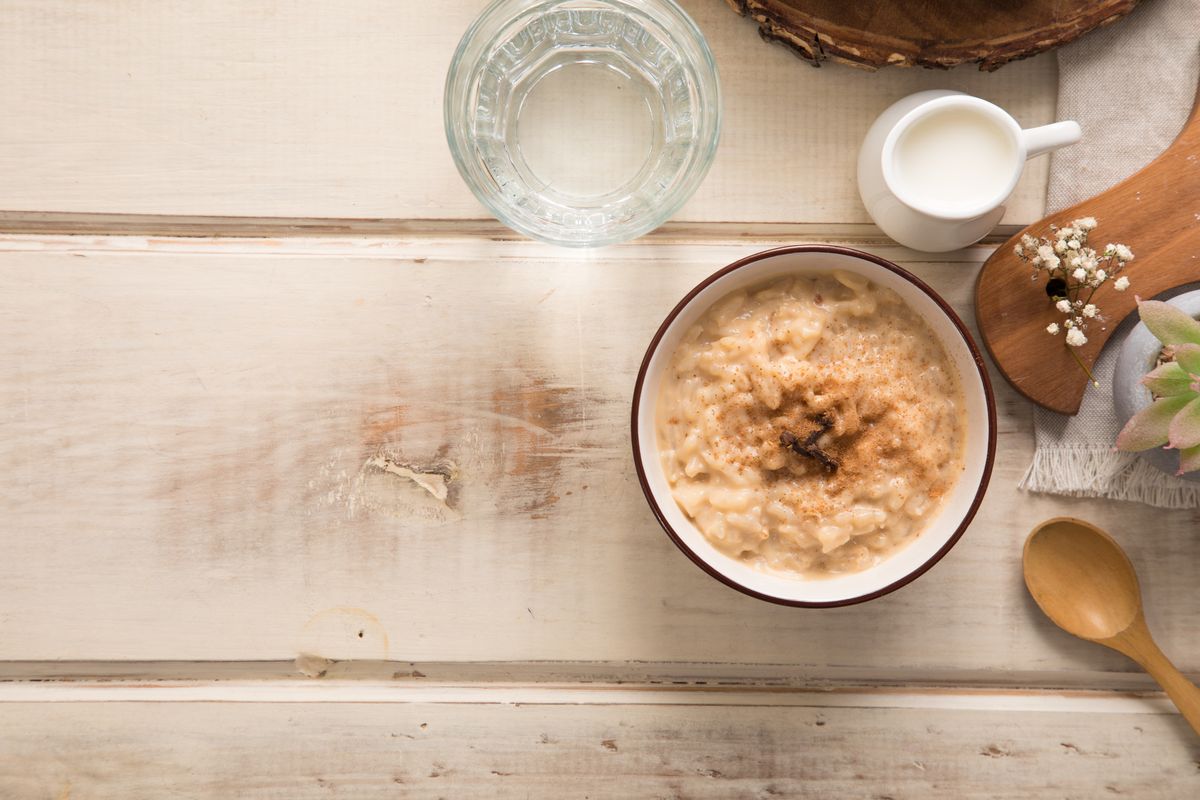
Acai bowls are beautiful. Smoothie bowls photograph like art. Overnight oats come in mason jars that look like they belong on a lifestyle blog.
But at 7 AM, when your body is just waking up, none of that matters. What matters is whether your breakfast helps you feel steady and warm through the morning — or leaves you reaching for a second coffee by 10.
Here's the unglamorous truth: warm, boring breakfasts work better for most people. And there's a reason nearly every traditional food culture on earth figured this out centuries ago.
Morning Digestion Is Delicate
Think of your body first thing in the morning like a cold engine. It's been idling all night. Everything has slowed — circulation, metabolism, digestion. The internal systems are just coming back online.
Now imagine pouring a frozen smoothie into that engine.
Cold food first thing in the morning asks your digestion to do the hardest work at its weakest moment. Your body has to warm that food to 98.6 degrees before it can do anything useful with it. That takes energy — energy you could be using to think clearly, move well, and feel human before 9 AM.
A warm breakfast, on the other hand, meets your body where it is. It doesn't demand a cold-start effort. It gently stokes the digestive fire that's just flickering back to life. The result is smoother digestion, steadier energy, and less of that heavy, sluggish feeling that sends you to the coffee pot.
This isn't complicated physiology. It's common sense that got buried under Instagram aesthetics.
The Warm Breakfast Tradition Nobody Talks About
Every traditional food culture that survived long enough to pass down its wisdom landed on the same conclusion: start your day warm.
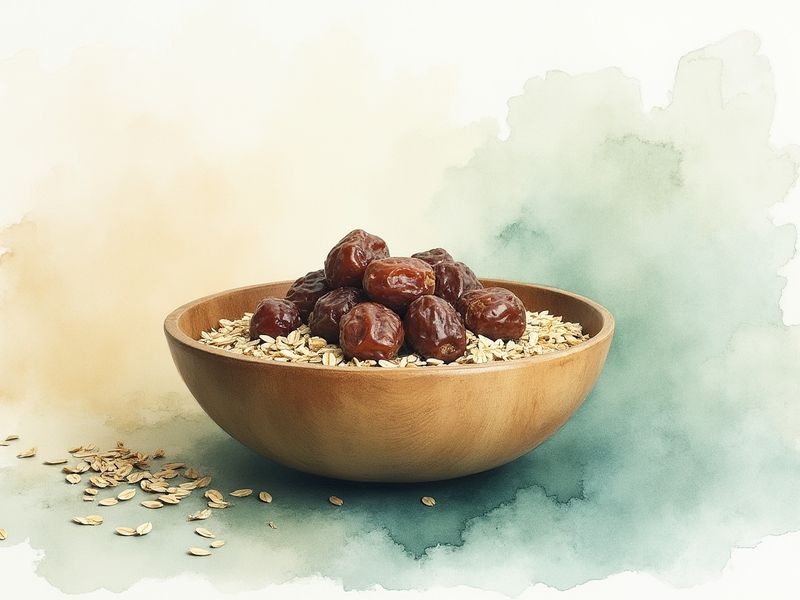
Congee in China — rice simmered with water until it's soft and porridge-like. Sometimes plain. Sometimes with ginger, scallions, or a preserved egg. It's been a staple breakfast for thousands of years, not because it's trendy, but because it works. Try our ginger congee recipe.
Okayu in Japan — a thinner rice porridge, often served with pickled plum and a side of miso soup. Simple. Warm. Easy on the stomach.
Porridge across Scotland, Ireland, Scandinavia, and Russia — oats or other grains, cooked with water or milk. Warm, sustaining, and the reason people survived dark, cold winters.
Kitchari in India — rice and lentils cooked with gentle spices. The Ayurvedic tradition considers it one of the most digestible meals you can eat.
These cultures didn't coordinate. They didn't share research papers. They each independently observed the same thing: people feel better and function better when they start the day with warm, cooked, simple food.
The modern wellness world rediscovered every obscure superfood on the planet but somehow forgot the basics.
Five Warm Breakfasts That Work
You don't need to make congee every morning (unless you want to). Here are five simple warm breakfasts that take minimal effort and deliver real results.
1. Simple Oatmeal with Warming Spices
Not overnight oats. Cooked oats — stovetop or microwave, it doesn't matter. Add cinnamon, a pinch of ginger, a drizzle of honey, and a handful of walnuts. Takes five minutes. Keeps you full and warm until lunch.
2. Ginger Congee
Rice simmered with plenty of water and a few slices of ginger. You can make a big pot on Sunday and reheat portions all week. Top with a soft-boiled egg, sesame oil, and scallions. Full recipe here.
3. Black Sesame Walnut Porridge
Black sesame and walnuts are both warming and deeply nourishing in Chinese food therapy. Blend them into a hot porridge with a little rice or oat milk. It's rich, nutty, and satisfying. Recipe here.
4. Eggs and Toast (Really)
Two eggs, scrambled or fried. A piece of toast. Maybe some sautéed greens or roasted tomatoes. This isn't revolutionary. That's the point. Warm, cooked, protein-rich, and ready in minutes.
5. Jujube Longan Oatmeal
Oatmeal cooked with dried jujubes and longan — two fruits prized in Chinese medicine for building warmth and nourishing the blood. Subtly sweet without added sugar. Recipe here.
If you tend to feel cold in the mornings, crash before lunch, or notice bloating after breakfast smoothies and cold cereal, you may fit the Cold & Depleted or Heavy & Foggy archetype. These patterns respond especially well to warm breakfasts.
Learn more about body types to see which pattern matches your experience.
Making the Switch
You don't have to go all-in tomorrow. Here's a gentle way to transition.
Week one: Just drink something warm first thing. Before your smoothie, before your cold cereal — start with a cup of warm water, ginger tea, or bone broth. Give your digestion a head start.
Week two: Swap your cold breakfast for a warm one three days a week. Pick the easiest option — oatmeal, eggs, reheated congee. See how you feel on warm-breakfast days versus cold-breakfast days.
Week three: If you notice a difference (and most people do), make the warm breakfast your default. Save the smoothie bowls for hot summer afternoons when your body actually wants something cooling.
The shift is small. The difference is not.
You might find that the morning brain fog lifts earlier. That you don't need the second coffee. That your stomach feels settled instead of gurgly. That you arrive at lunch actually hungry instead of vaguely uncomfortable.
These aren't dramatic changes. They're quiet ones. The kind your body has been waiting for.
For a deeper understanding of why food temperature matters so much, explore our guide to the thermal nature of foods. It'll change the way you think about every meal — not just breakfast.