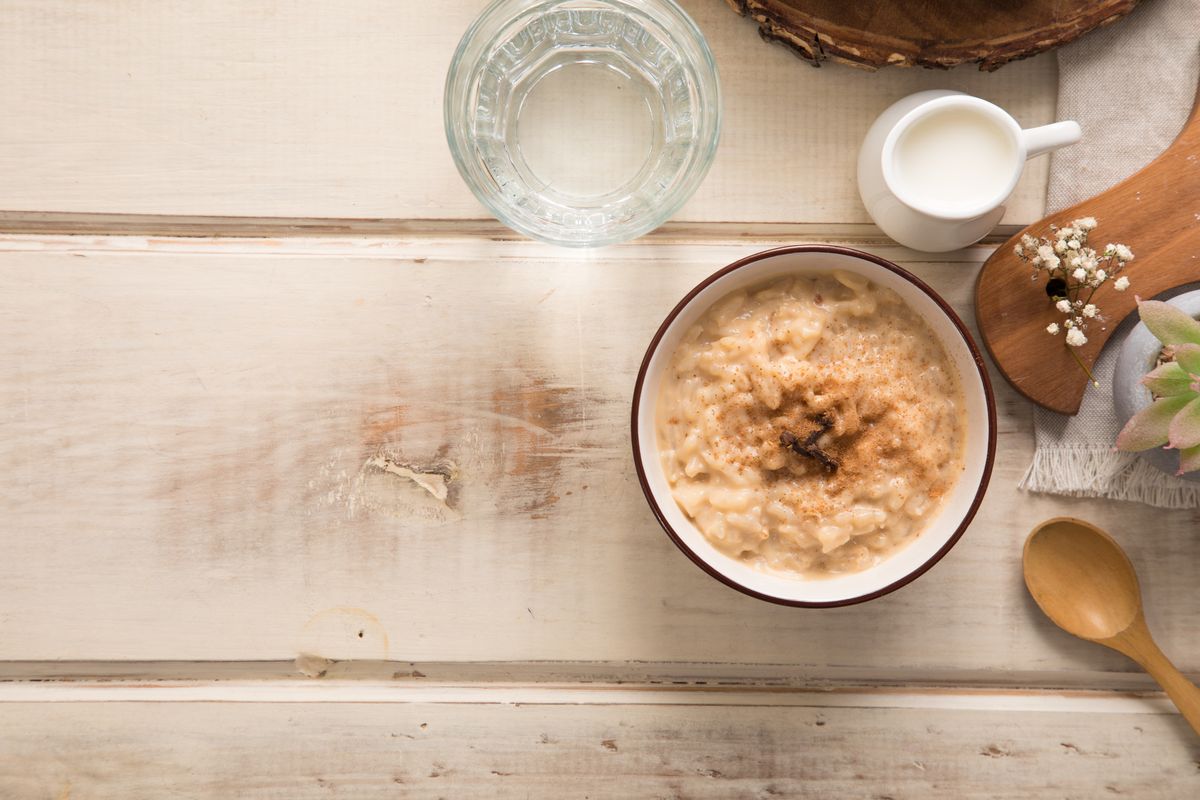
It's 3 PM and you would do unspeakable things for a cookie. You tell yourself it's a willpower problem. You drink water, have a handful of almonds, try to power through. But the craving doesn't care about your discipline — it's still there, whispering.
What if, instead of fighting it, you listened to what it's actually saying?
Cravings Aren't Weakness — They're Signals
Western culture frames cravings as moral failures. You're addicted. You lack self-control. You're an emotional eater. The solution is always the same: resist harder.
Traditional Chinese food therapy sees it differently. Cravings are diagnostic information. Your body is asking for something it genuinely needs. The craving itself isn't the problem — it's that we usually answer it with the wrong food.
When your body craves sweet, it's not asking for a candy bar. It's asking for nourishment. The Spleen is signaling that it needs support. A candy bar overwhelms the Spleen and creates a bigger craving next time. A sweet potato, a bowl of oatmeal, or a few dates satisfies the signal at its root.
The craving speaks in flavors. You've just been misinterpreting the language.
Decoding the Five Flavor Cravings
Each of the five flavors maps to an organ system. When that system is struggling, it sends a craving for its flavor. Here's how to read the signals.
Craving Sweet
What your body is saying: Your Spleen needs support. It's exhausted, depleted, or overwhelmed. It wants nourishment, warmth, and grounding.
The wrong answer: Refined sugar, candy, pastries, soda. These give a brief spike of satisfaction, then crash the Spleen further — which creates a bigger craving the next day.
The right answer: Naturally sweet whole foods. Sweet potato, oats, rice, carrots, squash, dates, honey (in small amounts), warm porridge. These feed the Spleen the way it actually needs to be fed — gently, warmly, sustainably.
Body type connection: Cold & Depleted and Heavy & Foggy types crave sweet most often. Cold & Depleted because the Spleen lacks energy. Heavy & Foggy because the Spleen is overwhelmed by dampness. Same craving, different root — but for both, the answer is warm, naturally sweet, simply prepared food.
Craving Salty
What your body is saying: Your Kidneys may be taxed. Overwork, deep fatigue, fear, or chronic stress has depleted your reserves.
The wrong answer: Processed chips, fast food, salty snacks. The refined salt and grease add stress to already strained Kidneys.
The right answer: Mineral-rich salty foods. Miso soup, seaweed, bone broth, a sprinkle of good sea salt on cooked vegetables. These nourish the Kidneys with the minerals and depth they're asking for.
Body type connection: All types can crave salty when Kidneys are depleted, but it's especially common during periods of deep exhaustion or fear.
Craving Sour
What your body is saying: Your Liver may need soothing. Too much stress, pent-up frustration, or emotional suppression has left the Liver constrained.
The wrong answer: Sour candy, sugary lemonade, vinegar chips — sour flavor wrapped in sugar and chemicals.
The right answer: Gentle sour foods. Lemon water, pickled vegetables, a vinegar-based salad dressing, sauerkraut, a tart green apple. These soften the Liver's grip without overwhelming it.
Body type connection: Tight & Stuck types crave sour frequently. The Liver is their primary organ of imbalance, and sour is the flavor that soothes it.
Craving Spicy or Pungent
What your body is saying: Your body wants movement. Energy is stuck, circulation is sluggish, or you're fighting off the beginning of a cold.
The wrong answer: Dousing everything in hot sauce or eating a bag of spicy chips. The capsaicin heat overwhelms rather than circulates.
The right answer: Warming spices in cooking. Ginger tea, garlic in a stir-fry, a broth with scallions and black pepper. These move energy gently, the way your body is asking.
Body type connection: Tight & Stuck types crave pungent because their energy is stagnant. Cold & Depleted types crave it because their body wants warmth and stimulation. Both benefit from pungent — but gently, as part of meals, not in processed snack form.
Craving Bitter
What your body is saying: Your body may be overheated or holding dampness. It needs to clear and drain.
The wrong answer: This is actually the least commonly hijacked craving — there aren't many processed bitter foods. Coffee in moderation and dark chocolate (70%+) are reasonable.
The right answer: Green tea, bitter greens (arugula, dandelion, endive), chrysanthemum tea. These clear heat and drain dampness, which is what the body is signaling for.
Body type connection: Hot & Restless types crave bitter when internal heat is building. Heavy & Foggy types sometimes crave it as the body tries to dry excess dampness.
When Cravings Are a Red Flag
Most cravings are simple signals. Answer them well, and they fade. But some patterns deserve closer attention.
Constant, intense sugar cravings may indicate significant Spleen deficiency. If you can't get through a day without reaching for sugar multiple times, the Spleen is sending a loud message that casual dietary changes may not fully address.
Craving-binge cycles actually deplete the related organ further. Craving sweet → eating a box of cookies → Spleen crashes harder → craving sweet even more the next day. The wrong answer doesn't satisfy the signal — it amplifies it.
A craving satisfied with the right food fades quickly. If you crave sweet, eat a warm sweet potato, and the craving disappears — you read the signal correctly. If you crave sweet, eat a cookie, and you want three more — you answered with the wrong food.
If cravings are disrupting your daily life, consistently overwhelming your choices, or accompanied by significant digestive or emotional symptoms, it may be worth working with a practitioner who understands both nutrition and the patterns underneath.
Working With Cravings Instead of Against Them
Here's a practical process. It takes thirty seconds and changes your relationship with food.
Step 1: Notice the craving without judgment. Don't fight it. Just name it. What flavor are you wanting? Sweet? Salty? Sour? Something warming and spicy?
Step 2: Ask what your body might actually need. Use the decoder above. Sweet craving = Spleen asking for nourishment. Salty = Kidneys asking for support. Sour = Liver asking for soothing.
Step 3: Answer with a whole-food version of that flavor. Not the processed version, not the willpower version ("I'll just drink water and ignore it"). The actual, real-food version.
Step 4: Notice if the craving subsides. If it does within ten or fifteen minutes, you read the signal correctly. If it doesn't, the root may be deeper — emotional, habitual, or a stronger imbalance that food alone won't resolve immediately.
This isn't about being perfect. It's about building a dialogue with your body. Over time, you get better at reading the signals. The cravings become quieter because they're being heard.
Each of the five organ systems in TCM has a flavor it craves when out of balance. The Spleen craves sweet when exhausted. The Kidneys crave salty when depleted. The Liver craves sour when constrained. Think of it like a plant leaning toward sunlight — it's not being dramatic, it's pointing toward what it needs. The catch is that modern processed food hijacks these signals. Your Spleen asks for sweet nourishment and you give it a candy bar, which overwhelms the Spleen further and creates a bigger craving. When you learn to answer the signal with the right food, the craving-binge cycle often breaks on its own.
Everyone. Cravings affect all types, and understanding them benefits every archetype. But the patterns are type-specific: Cold & Depleted tends to crave sweet. Hot & Restless tends to crave bitter or sour. Heavy & Foggy craves sweet and greasy. Tight & Stuck craves sour, spicy, or alcohol. Knowing your body type makes decoding your cravings much faster.
The Bigger Shift
When you stop treating cravings as the enemy, something changes. Food stops being a battle of willpower and starts being a conversation. Your body talks. You listen. You respond. The craving quiets because the need was met.
This isn't a hack or a trick. It's one of the oldest ideas in food therapy: your body already knows what it needs. The five flavors are the language. And once you learn to speak it, you stop fighting your appetite and start working with it.
For more on how the five flavors work as a system, or to understand how emotional patterns connect to eating, keep exploring. The deeper you understand the signals, the easier the conversation becomes.