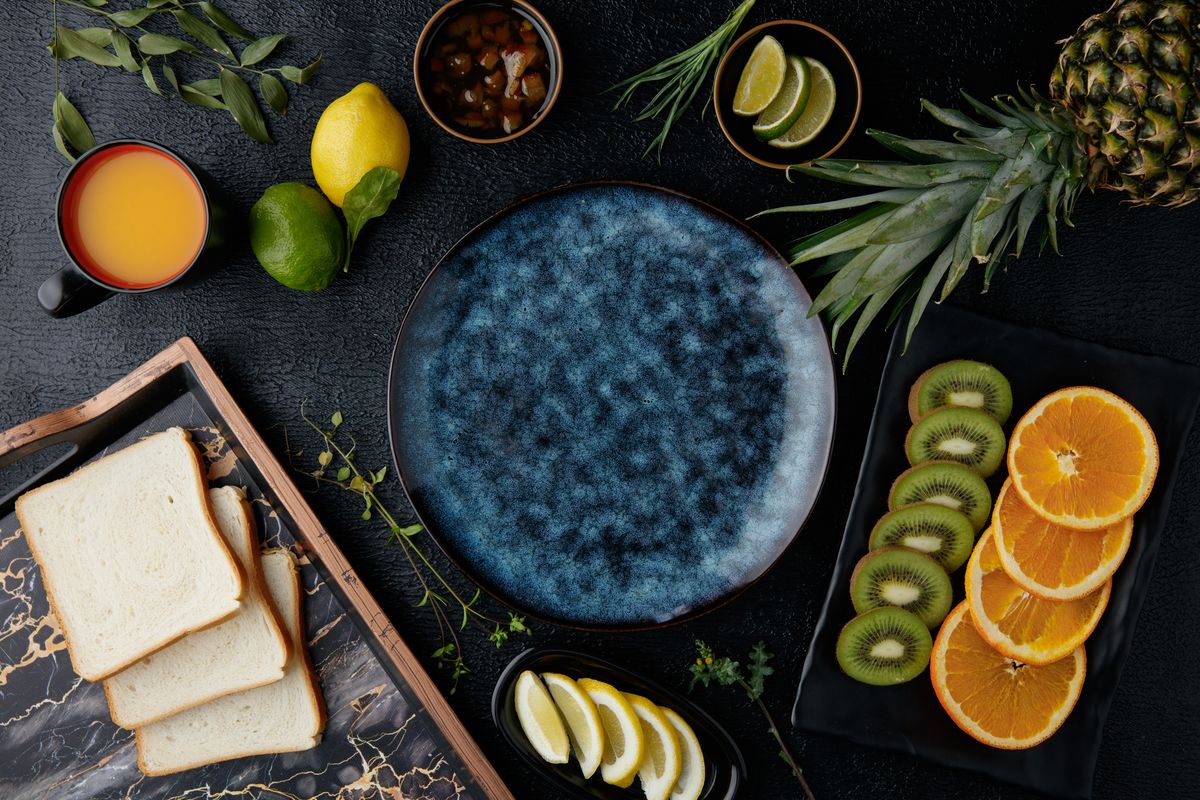
The Five Flavors: How Taste Tells You What Your Body Needs
Each flavor does something specific in your body — sour holds, bitter clears, sweet nourishes, pungent moves, salty softens.
You've probably been told that craving sugar means you're addicted, craving salt means you're dehydrated, and craving anything at all means you need more willpower. But what if your cravings are actually useful? What if each flavor your body asks for is a signal — not a weakness — pointing toward something it genuinely needs?
Traditional Chinese food therapy has been reading those signals for over two thousand years. And what it discovered is both simple and profound: every flavor does something specific in your body. Taste isn't just pleasure. It's information.
More Than Just Taste
In TCM, each flavor has a therapeutic action. Sour tightens. Bitter drains. Sweet builds. Pungent moves. Salty softens. These aren't metaphors — they're observable effects that play out in your digestion, your energy, and your mood every time you eat.
The five flavors are: sour, bitter, sweet, pungent (spicy), and salty.
Each one corresponds to an organ system, a natural element, and a season. A balanced meal includes a range of flavors. When you eat too much of one flavor or too little of another, imbalance shows up — as cravings, as symptoms, as shifts in how you feel.
This isn't about memorizing a chart. It's about developing a sense of what your body is asking for, and answering it well.
Sour: The Flavor That Holds Things Together
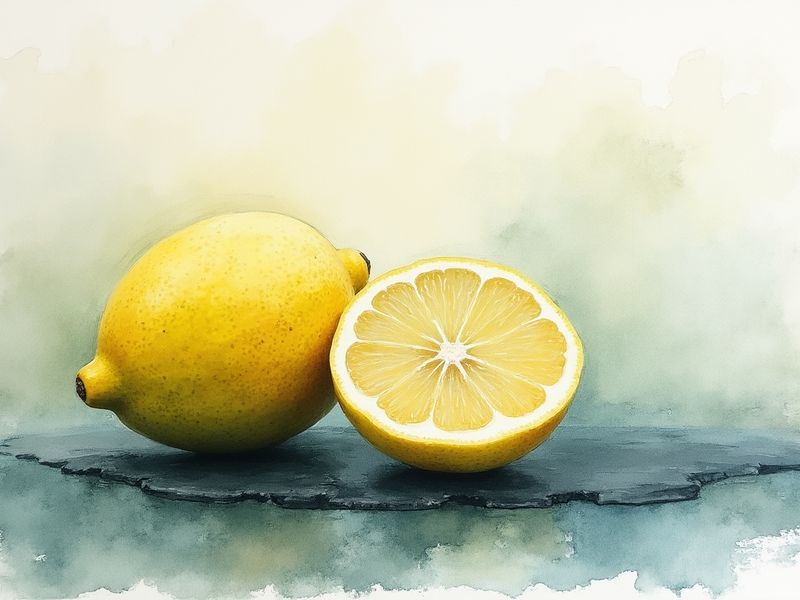
What it does: Sour astringes, contracts, and preserves. It pulls things inward and holds them in place.
Organ system: Liver and Gallbladder
Season: Spring
Foods: Lemon, lime, vinegar, sauerkraut, green apple, plum, tomato, hawthorn berry, fermented pickles
When you need it: When things are leaking or loose — excessive sweating, loose stools, urinary frequency. Sour tightens and contains. A squeeze of lemon in warm water first thing in the morning gently activates the Liver and firms up digestion.
When to be careful: If you're Tight & Stuck, too much sour can increase contraction — tightening what's already wound too tight. Small amounts of sour soften the Liver (like a good stretch). Large amounts can clamp it further.
Bitter: The Flavor That Clears and Drains
What it does: Bitter clears heat, dries dampness, and descends energy. It moves things down and out.
Organ system: Heart and Small Intestine
Season: Summer
Foods: Bitter melon, dark leafy greens, green tea, dandelion greens, arugula, dark chocolate (70%+), coffee (in moderation)
When you need it: Excess heat, inflammation, dampness, brain fog. Bitter is the drain cleaner of the five flavors — it pulls stuck heat and moisture downward and out. A cup of unsweetened green tea after a heavy meal does real work. For more on this underappreciated flavor, read why bitter foods are missing from your diet.
When to be careful: If you're Cold & Depleted, bitter's draining and cooling nature can further deplete you. It pulls energy out, and if you don't have much to spare, that's the wrong direction. Use bitter sparingly if you run cold and tired.
Sweet: The Flavor That Nourishes and Harmonizes
What it does: Sweet tonifies, nourishes, harmonizes, and relaxes. It builds and soothes.
Organ system: Spleen and Stomach
Season: Late Summer
Foods: Rice, sweet potato, dates, honey, squash, carrots, oats, chicken, beef. In TCM, "sweet" includes all naturally sweet foods — not just sugar.
When you need it: Fatigue, weakness, recovery from illness, depleted energy. Sweet is the rebuilder. When you feel drained, your body craves sweet because the Spleen needs nourishment to function. The right kind of sweet — a warm bowl of oatmeal with dates, a baked sweet potato, a chicken soup — restores without overwhelming.
When to be careful: This is where the modern diet goes sideways. Excessive sweet — especially refined sugar — overwhelms the Spleen instead of supporting it. The Spleen asks for nourishment; we answer with candy bars and soda. The response creates dampness, which makes the Spleen weaker, which makes the craving stronger. It's a loop. The key is answering the sweet craving with naturally sweet whole foods, not processed sugar. Curious about this cycle? Read about what your cravings are really telling you.
Pungent: The Flavor That Moves and Disperses
What it does: Pungent disperses, circulates, and moves. It breaks up stagnation and promotes flow.
Organ system: Lung and Large Intestine
Season: Autumn
Foods: Ginger, garlic, onion, scallion, black pepper, chili, mint, basil, cinnamon, citrus peel
When you need it: Stagnation, stuck energy, the early stages of a cold, poor circulation, emotional compression. Pungent is the breeze that moves stale air. If you feel stuck — physically or emotionally — pungent foods are TCM's most direct intervention. Read the complete guide to pungent foods for a deeper dive.
When to be careful: If you're Hot & Restless, too much warming pungent (chili, dried ginger, cinnamon) adds heat to a system already overheated. Stick to cooling pungents (mint, radish) or small amounts. If you're severely depleted, strong pungent can scatter what little energy you have — use gently warming pungents, not hot ones.
Salty: The Flavor That Softens and Descends
What it does: Salty softens hardness, moistens dryness, and draws things downward. It grounds and dissolves.
Organ system: Kidney and Bladder
Season: Winter
Foods: Seaweed, miso, tamari, sea salt, clam, crab, kelp, black beans
When you need it: Hardness — physical or emotional. Constipation from dryness. Nodules, lumps, or deposits that need softening. Salty flavor has a dissolving quality. Seaweed in soup, miso as a daily base, a sprinkle of good sea salt — these are small but meaningful.
When to be careful: Excess salt strains the Kidneys and can raise blood pressure. The modern diet uses too much refined salt in the wrong places (processed food) and not enough mineral-rich salt in the right places (home cooking with sea salt, seaweed, miso). The issue isn't salt itself — it's the kind and the quantity.
Balancing Flavors in a Meal
Here's the practical part: the ideal meal touches all five flavors in some proportion.
Most meals already do this naturally if you cook with variety. Rice (sweet), greens (bitter), ginger (pungent), soy sauce (salty), a squeeze of lemon or splash of vinegar (sour). Five flavors, one bowl, no overthinking.
The seasonal rhythm:
- Spring: emphasize sour (lemon, vinegar, pickled vegetables)
- Summer: emphasize bitter (green tea, bitter greens, raw salads)
- Late Summer: emphasize sweet (root vegetables, grains, nourishing soups)
- Autumn: emphasize pungent (ginger, garlic, warming spices)
- Winter: emphasize salty (miso, seaweed, mineral-rich broths)
This isn't a rigid rule. It's a tendency. The way you naturally want lighter, bitter food in summer and heartier, warming food in winter — you're already following this rhythm without knowing it.
When you notice a craving, pause before reaching for the processed version. Ask: what flavor am I actually wanting? What organ might need support? Then answer with a whole-food version of that flavor. A sweet craving answered with sweet potato instead of candy. A salty craving answered with miso soup instead of chips. That simple shift changes the craving from a trap into a conversation.
Understanding thermal nature and flavor together gives you two lenses for choosing food intuitively. The body constitutions overview adds a third. Together, they replace the need for rigid diet rules with something better: understanding.
TCM discovered something that modern food science is just beginning to explore: flavor receptors exist throughout your entire digestive system, not just on your tongue. When you taste something bitter, your gut responds by increasing bile flow and digestive secretions. When you taste something pungent, circulation increases. The five-flavor system was built on thousands of years of observing these whole-body responses to taste. Each flavor acts like a key that turns a specific lock in your body. Too much of one key wears out the lock. A balanced set of keys keeps all the doors opening smoothly.
The five flavors mirror the five phases of nature: growth, expansion, harvest, contraction, and stillness. A balanced meal is a small expression of a balanced life — not too much of any one thing, not too little of what's needed. When you eat this way, you're not following rules. You're participating in a rhythm that's been turning since long before humans named it.
Where to Go Next
Curious about a specific flavor? Read the deep dives on pungent foods for stuck energy and bitter foods most diets are missing. Or explore what your cravings are really telling you — because once you understand the five flavors, cravings stop being the enemy and start being the guide.
For a complete reference on everyday foods — including their flavor, thermal nature, and which body type they best serve — the food guide is the page you'll want to bookmark.