You're not lazy. You're not depressed. You're not "letting yourself go."
You're a mammal in winter. Every cell in your body is telling you to sleep more, move less, and eat warm food in a quiet room. Every other animal on the planet listens to this signal. You're the only one arguing with it.
So let's stop arguing.
The Case for Winter Rest
Bears hibernate. Trees go dormant. Seeds sit in frozen ground and wait. Squirrels sleep sixteen hours a day. The entire natural world downshifts between November and March.
And then there's you — setting a 5:30 alarm for hot yoga, meal-prepping salads, and making a list of January goals that would exhaust you in June.
Here's what nobody talks about: human bodies are designed to slow down in winter too. Melatonin production increases with longer dark periods. Metabolism shifts. The need for sleep grows. This isn't a bug in your biology. It's a feature — a very old, very well-designed one.
The only real problem is a culture that demands constant output, twelve months a year, regardless of what the sun is doing. When you feel guilty about wanting to rest in December, you're not failing. You're bumping into a mismatch between your body's ancient rhythms and your calendar's modern demands.
If this tension between seasonal instincts and year-round expectations sounds familiar, you're not imagining it.
What "Hibernation Mode" Actually Looks Like
Nobody's saying quit your job and sleep until April. Hibernation mode is subtler than that — and far more achievable.
Sleep a little more. Go to bed 30 to 60 minutes earlier than you do in summer. Your body is asking for it. Give it permission.
Say no more often. Decline one social event per week. Not because you're antisocial — because your nervous system needs recovery time, and winter nights are built for exactly that.
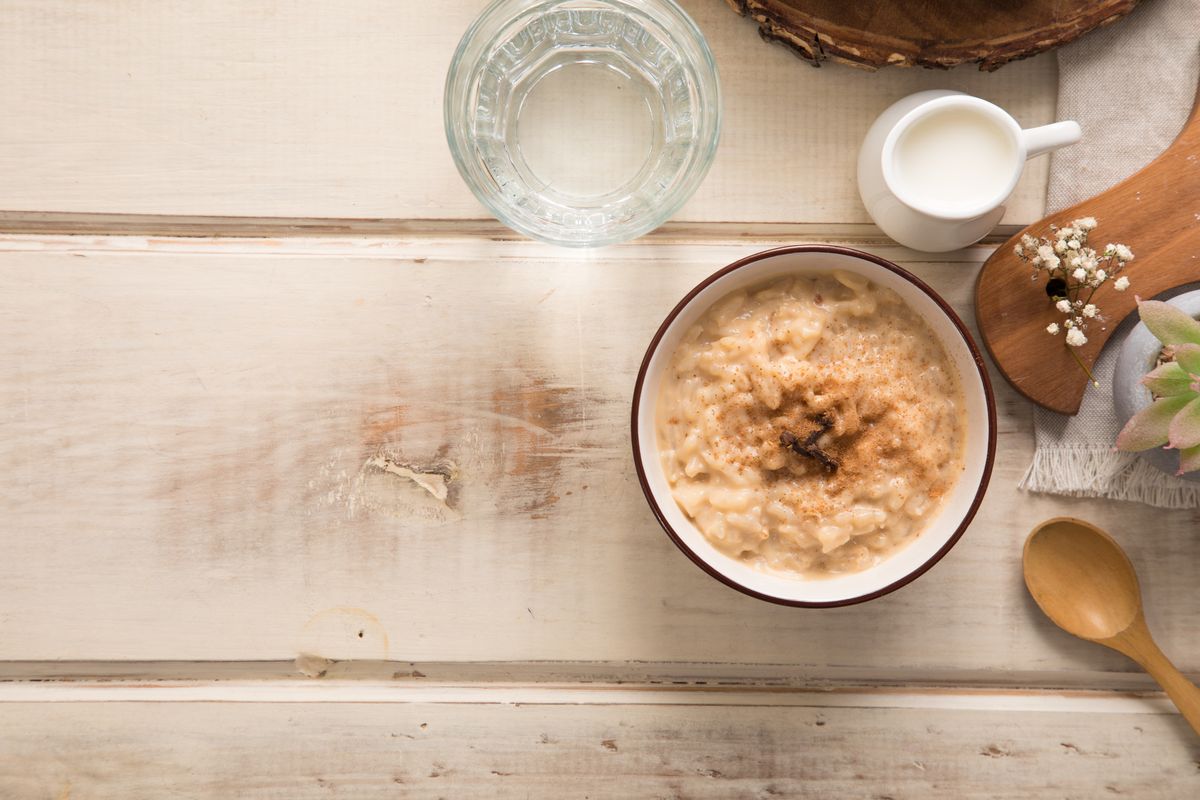
Eat warm food. Swap the smoothie for oatmeal. Trade the salad for soup. Your digestion works harder in the cold, and warm, cooked meals are an act of kindness toward your body right now. A Black Bean and Walnut Winter Stew on a dark evening is exactly the kind of meal your body is asking for.
Dial back the intensity. If you run, walk. If you do HIIT, try gentle stretching. If you lift heavy, do bodyweight. Winter is not the season for personal records — it's the season for maintenance and recovery.
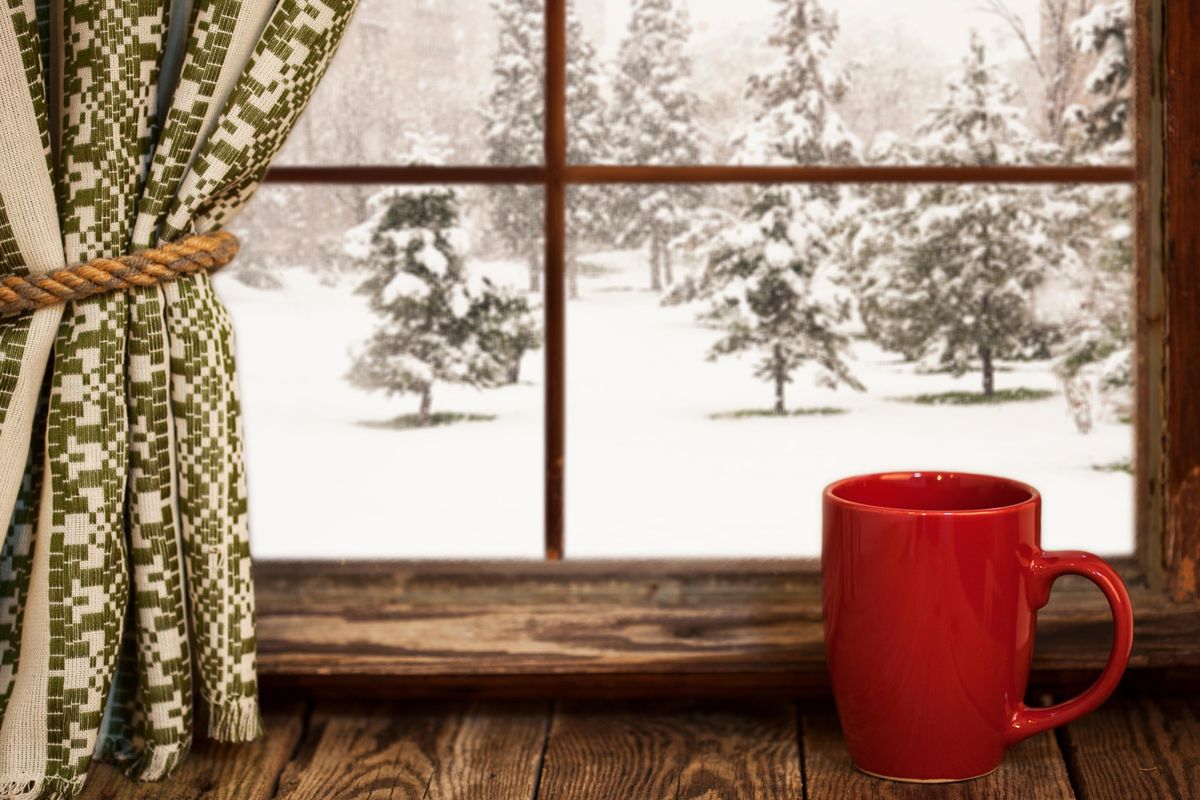
Spend more time at home without calling it isolation. Reading, cooking, journaling, staring out the window — these aren't wasted hours. They're the inward work that makes you useful again in spring.
The Biology Behind the Instinct
This isn't just philosophical. Your body has measurable reasons for wanting to slow down.
Melatonin increases. Longer nights mean more of the hormone that makes you sleepy. Your body is literally producing the chemical signal for rest, and you're overriding it with caffeine and screen light.
Metabolism shifts. In colder months, your body needs more calorie-dense, warming food. The craving for stew and bread isn't weakness — it's your metabolism requesting fuel for thermoregulation.
Your immune system needs energy. Winter is cold and flu season for a reason. Your immune system works overtime, and rest is the investment that keeps it functional. Bone broth with warming herbs is one of the oldest winter tonics for exactly this reason.
Your nervous system craves downregulation. After a full year of activation — work stress, summer heat, autumn transitions — your nervous system needs to shift into parasympathetic mode. Sleep, warmth, and quiet aren't luxuries. They're repairs.
Permission Granted
If you've been waiting for someone to tell you it's okay, here it is.
You have permission to be less productive in winter.
You have permission to sleep nine hours and not feel guilty.
You have permission to cancel plans because you'd rather be home.
You have permission to eat stew at 5pm and be in bed by 9.
You have permission to let your house be messier, your inbox be slower, and your ambitions be quieter between November and February.
This isn't giving up. This isn't laziness. This is the smartest health move you'll make all year — because everything you conserve now becomes the energy you'll spend in spring. And if you want to understand what happens when you don't take this rest, read what happens when you miss winter. The cost is higher than you think.
The culture of year-round productivity is the real problem — not your desire to rest.
Best for Cold & Depleted types — winter rest isn't optional for you. It's survival. Your reserves are already low, and the cold season pulls them lower. Every warming, building practice matters now more than any other time of year.
Honestly, this is for everyone. Every body needs winter rest regardless of type. But if you're Heavy & Foggy, watch for the line between rest and stagnation — keep gentle movement in the mix, even on the days you'd rather not leave the couch.
The Radical Act
The most radical health decision you can make this winter has nothing to do with a new supplement, a gym membership, or a morning routine.
It's to stop fighting the season and let your body do what it already knows how to do.
Rest. Go inward. Go slow. The world will still be there in spring — and you'll be ready for it.
For the full picture of how winter works in your body, start with the winter guide.