
Winter Living — The Season of Rest, Depth & the Kidney
You're exhausted and you think something is wrong with you. Here's the thing nobody will tell you: your body isn't failing. It's doing exactly what it was designed to do in winter.
You're exhausted and you think something is wrong with you.
It's dark when you wake up, dark when you come home, and all you want to do is eat soup and go to bed at 8pm. Everyone around you seems to be running at full speed — holiday parties, year-end goals, January resolutions — and you can barely keep your eyes open.
Here's the thing nobody will tell you: your body isn't failing. It's doing exactly what it was designed to do in winter.
The problem is that your life won't let it.
What Winter Energy Actually Feels Like
This is deepest yin. The most still, most quiet, most inward energy of the year.
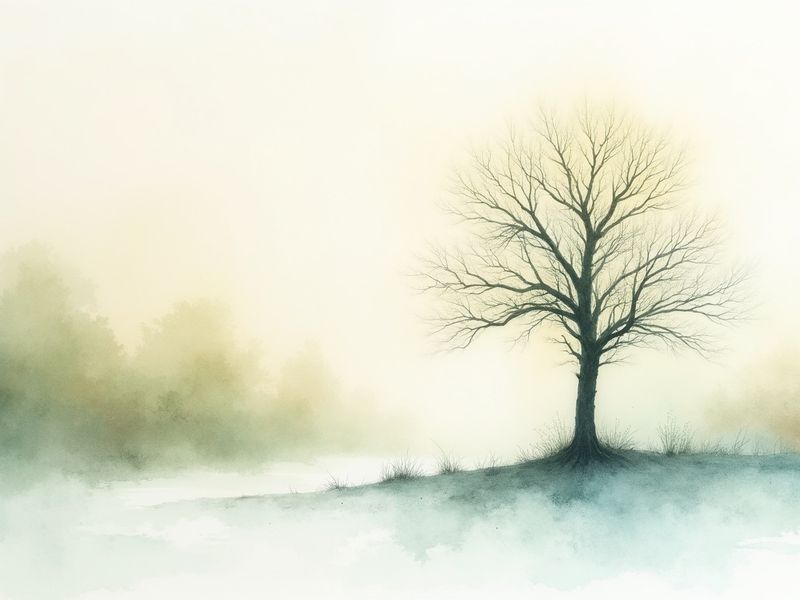
Everything in nature is resting right now. Seeds wait underground. Bears sleep in dens. Trees stand bare, all their energy pulled down into the roots. The world has gone quiet — genuinely, structurally quiet — in a way that has nothing to do with snow and everything to do with conservation.
Your body wants to do the same thing. Sleep more. Eat more. Socialize less. Move slowly. Go inward. This isn't laziness or seasonal depression or "letting yourself go." It's a mammalian instinct that has served our species for 200,000 years.
But modern life doesn't pause for winter. The holidays demand hyperactivity: shopping, traveling, hosting, attending. January hits with a productivity mandate: new goals, new gym memberships, new year new you. February is "almost spring, push through." And by March, you're wrecked — but you blame the cold, or your thyroid, or your motivation, when really you just spent three months fighting the most fundamental cycle in the natural world.
If any of this sounds familiar, Stop Fighting Winter is the permission slip your body's been waiting for.
The Kidney Connection
In TCM, winter belongs to the Kidney — and the Kidney is not just an organ. It's the vault where your deepest reserves are stored.
The Kidney holds what TCM calls "essence" — jing — your constitutional vitality, the most fundamental fuel you have. Think of it as a savings account you were born with. You can make small deposits through rest, nourishment, and careful living. You can make large withdrawals through overwork, chronic stress, too little sleep, and ignoring winter.
The balance of this account determines how you age, how resilient you are, and how much energy you have for everything — from daily tasks to healing from illness to making it through a hard season.
When the Kidney is well-nourished:
- Deep calm. Not the calm of effort, but the calm of having enough.
- Steady energy that doesn't crash at 3pm.
- Resilience — you can handle stress without falling apart.
- Healthy bones, teeth, and hair. Good hearing. Aging that feels graceful rather than alarming.
When the Kidney is depleted:
- Bone-deep fatigue that sleep doesn't fix.
- Low back pain, weak knees, cold feet. The physical structures the Kidney governs start to show the strain.
- Premature aging — looking and feeling older than your years.
- Fear and anxiety that come from somewhere deeper than your thoughts. An existential unease, not a situational worry.
Winter is the one season that naturally supports deposits into this account. Every warm meal, every extra hour of sleep, every quiet evening at home is a deposit. Every late night, every pre-dawn gym session, every holiday sprint is a withdrawal.
The math is simple. The culture makes it hard.
The Kidney in TCM holds your jing — your essence, the deep reserve you were born with and can either preserve or deplete. Think of it as a trust fund: you can spend it down with overwork, too little sleep, and too much stress, but you can't easily replenish it. Winter is the one season that naturally supports deposits into that account. Sleep, warmth, rich food, stillness, and reduced output all nourish the Kidney. Push through winter at full speed, and you're making withdrawals when you should be saving. The fatigue you feel in March? It started with the winter you refused to take.
Winter Foods and Flavors
Winter eating is deep, dark, warm, and slow.
The salty flavor supports the Kidney. Miso, seaweed, soy sauce, bone broth — the salty flavor has a softening, inward-pulling quality that nourishes the Kidney's deep reserves. This isn't about adding table salt to everything. It's about incorporating the naturally salty, mineral-rich foods that speak to the Water element.
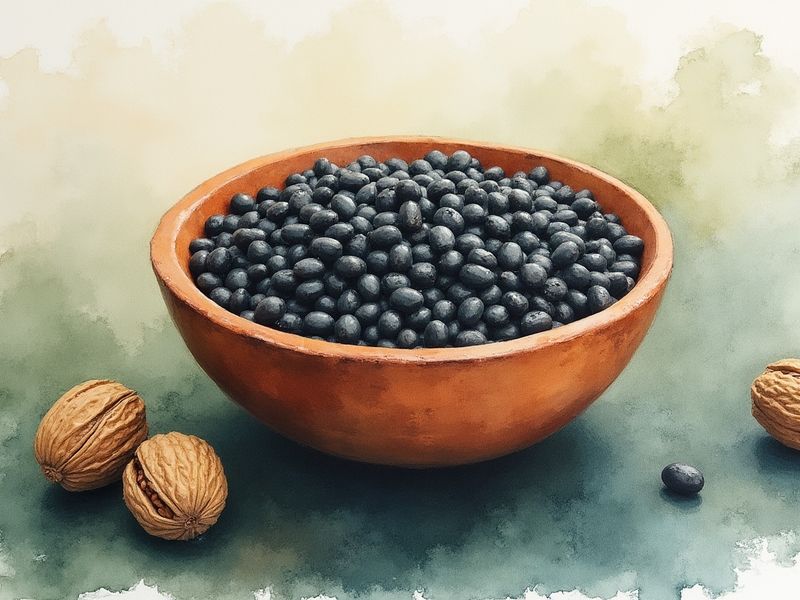
Dark, deep foods. In Five Element theory, black and dark foods nourish the Kidney the way green foods nourish the Liver: black beans, black sesame, walnuts, dark mushrooms, dark leafy greens, blackberries. The Black Bean & Walnut Winter Stew puts three Kidney-nourishing foods — black beans, walnuts, and warming spices — into one bowl that feels like being held from the inside.
Long-cooked, warming meals. Stews, bone broths, slow-cooked meats, roasted root vegetables. Winter food needs time. The slow cooking extracts deep nourishment — minerals from bones, flavor from connective tissue, warmth from hours of gentle simmering. If you make one thing this winter, make the Bone Broth with Astragalus & Ginger. It's the most fundamental winter tonic in TCM: long-simmered bones, astragalus for qi, ginger for warmth. Drink a cup daily and watch what shifts.
Everything cooked. Nothing raw. Nothing iced. This is the one season where this rule is absolute. Raw salads, cold smoothies, and ice water in winter are an assault on your digestive fire at the time when it needs the most protection. If it's winter, warm it up.
The salty flavor and its relationship to the Kidney is part of the Five Flavors system — a framework for eating with your organs, not against them.
Winter Practices for Body and Mind
Sleep more. Really. Go to bed earlier and wake up later if your life allows it. This is not indulgent. This is the single most important health practice of the winter season.
Your body produces more melatonin in winter because the dark periods are longer. It is telling you, at a hormonal level, to sleep more. Ignoring this signal is like ignoring a smoke alarm — the system is working. You're just overriding it.
Eight hours is a minimum in winter. Nine is better. If you can't get more nighttime sleep, a brief afternoon rest helps.
Reduce social obligations. This is not antisocial. It's seasonal. The Heart's outward, connective energy belongs to summer. Winter's energy is inward, solitary, and quiet. Fewer parties. Fewer obligations. More evenings at home. The people who matter will understand. The obligations that fall away probably should have been released in autumn.
Journaling, reading, reflection. Winter is the season of the inward arts. The stillness creates space for depth — the kind of thinking and feeling that can't happen when you're running at summer speed. Write. Read slowly. Sit with questions instead of chasing answers. The Kidney's emotion in its healthy form is wisdom — and wisdom comes from going deep, not wide.
Gentle movement only. Qi gong. Slow walks. Stretching. Winter is not the season for CrossFit, marathon training, or hot yoga at 6am. Intense exercise in winter depletes the Kidney — you're spending energy you should be saving. Move enough to keep stagnation from settling in, but not so much that you're withdrawing from the savings account.
Keep your lower back, feet, and ears warm. These are Kidney zones in TCM. Cold entering through these areas weakens the Kidney directly. Wear warm socks. Keep the lower back covered. Don't walk barefoot on cold floors. This sounds like your grandmother's advice because your grandmother was right.
Adapting Winter for Your Type
Cold & Depleted. This is your hardest and most important season. Everything you do now determines how spring feels. If you've been running on empty all year, winter is where the debt comes due — but it's also where you can begin rebuilding.
Your winter medicine: bone broth daily. Black bean stew. Walnut porridge. Lamb or chicken stews with ginger and warming spices. No cold food. No raw food. No iced anything. Bed by 9pm. Eight to nine hours of sleep minimum. Reduce social obligations to the bare minimum. Wear layers. Keep your feet and lower back warm at all times.
Your mantra: "Resting is the hardest work I do." Society will call you lazy. You're building the reserves that will let you participate in spring. The Winter Self-Care Routine has your full protocol.
Hot & Restless. Winter's forced stillness is uncomfortable for you. The darkness feels oppressive. The quiet feels like something you need to fill. Resistance shows up as anxiety, insomnia, or frantic holiday activity.
Your winter medicine: warming but not overheating food. Too much ginger, chili, and alcohol push you into internal heat. Moderate warmth: sweet potato, millet, mushroom soups, warm grain bowls. Yin yoga. Journaling before bed instead of scrolling. Keep the bedroom cool and dark.
Your mantra: "Stillness isn't a threat." The urge to do something, anything, is your pattern talking. Practice sitting with it.
Heavy & Foggy. Winter invites rest, but for you, rest can become quicksand. There's a fine line between healthy hibernation and sinking into inertia, and your type crosses it easily.
Your winter medicine: warm and light, not warm and heavy. Skip the cheese fondue, the cream-based soups, the rich holiday food. Barley soup, ginger tea, aromatic spices. And movement — non-negotiable, every day, even when it's cold and dark. Walk. Sweat twice a week. Use a light box in the morning if the darkness drags you down. Without movement, winter dampness accumulates and you won't emerge in spring.
Your mantra: "I rest, but I don't stop."
Tight & Stuck. You'll fill December with obligations, January with goals, and February with plans — anything to avoid the emptiness. Winter asks you to sit with the void, and your whole system rebels.
Your winter medicine: warming, grounding, simple food. One-pot meals eaten slowly. Stews and soups. After the holidays, create deliberate emptiness. Clear the calendar. Don't replace busyness with a new project. Walk without a podcast. Let movement be unproductive. Stretch the hips and lower back — the Kidney zones where your holding pattern lives.
Your mantra: "I don't have to earn rest." The discomfort of doing nothing is the edge you need to sit with. Winter is your teacher if you let it be.
Cold & Depleted types need winter support the most — the season amplifies their core pattern. Hot & Restless types often struggle with winter's stillness and need a different approach than simply "rest more." For type-specific routines, see A Winter Self-Care Routine for Every Archetype.
Water rests in the lowest places. It doesn't rush to the mountaintop or announce itself. Yet nothing in nature is more powerful — it carved the Grand Canyon, it sustains all life, and it does this through patience, not force. Winter asks you to be like water: still, deep, unhurried. The culture calls this laziness. The Tao calls it wisdom.
Where to Start
If winter has you feeling guilty about wanting to rest, read Stop Fighting Winter right now. It's the permission slip your body has been waiting for.
If you want to start feeding your Kidney today, make the Black Bean & Walnut Winter Stew. It's the deepest, most nourishing bowl you'll eat this season.
And if you're reading this in January or February, wondering why you feel so depleted when the year barely started — the answer isn't that you need more motivation. The answer is that you spent winter fighting winter. What Happens When You Miss Winter explains the cost, and what to do about it even now.
Winter isn't asking you to stop living. It's asking you to live differently for a few months — deeper, slower, quieter — so that when spring arrives, you have something left to give.