Late Summer Living — The Season of Grounding, Harvest & the Spleen
There are about four weeks between peak summer and true autumn that nobody talks about. This unnamed season might be the most important transition of your year.
There are about four weeks between peak summer and true autumn that nobody talks about.
The light is different — still warm but starting to angle. The tomatoes are ripe but the mornings have a chill. You feel something shifting but you can't name it, and the culture gives you no help. It just says "back to school" and shoves you into hustle mode.
This unnamed season is the most important transition of your year. And you've probably been skipping it your entire life.
The Season That Doesn't Have a Name
Western culture jumps from "summer fun" to "fall productivity" with no pause. One week you're at the beach. The next you're in back-to-school mode, tackling year-end goals, ramping up. There's no in-between. No permission to slow down before you speed up.
Traditional Chinese Medicine sees it differently. TCM recognizes this in-between as a full season — Late Summer, roughly mid-August through the autumn equinox — and places it at the very center of the seasonal cycle.
Not just chronologically, but energetically.
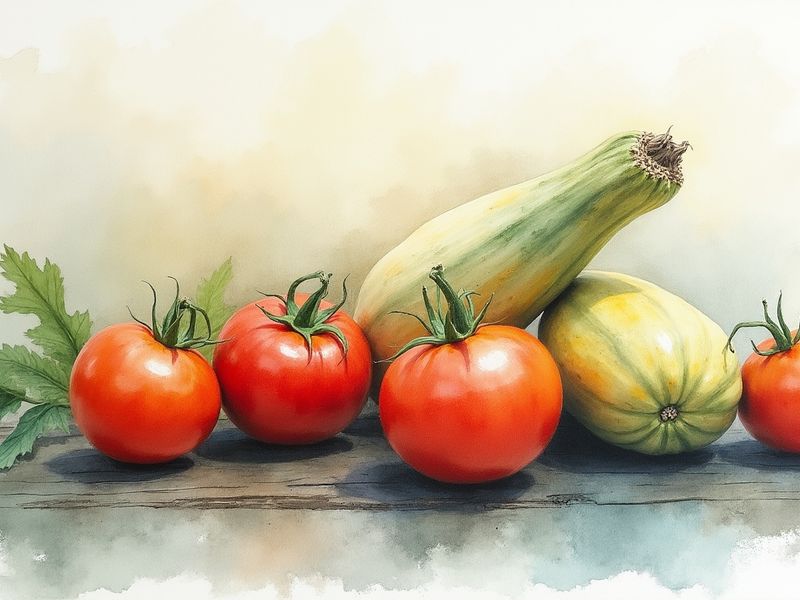
If spring is about rising, summer about peaking, autumn about descending, and winter about resting, Late Summer is the pivot point where outward energy begins turning inward. It's the moment of the harvest — when you pause, gather what you've grown, and take stock before the descent.
Think of it this way: a farmer doesn't go straight from planting to plowing the fields under. There's a harvest in between. A pause to gather, preserve, and nourish. That pause is Late Summer. And when you skip it — which almost everyone in modern life does — you enter autumn ungrounded, unnourished, and running on fumes.
If you've never heard of this season before, you're not alone. The Season Nobody Talks About makes the case for why it might change how you see August forever.
The Spleen Connection
In TCM, Late Summer belongs to the Spleen. And the Spleen might be the most underappreciated organ in the entire system.
The Spleen does two things that affect everything:
It transforms food into energy. Not just in the mechanical sense of digestion, but in the deeper sense of turning what you consume into something your body can actually use. When the Spleen is strong, you eat a meal and feel nourished, clear-headed, and settled. When it's weak, you eat the same meal and feel bloated, foggy, and heavy.
It transforms information into understanding. The Spleen governs clear thinking — the ability to process what's happening, make sense of it, and land on a decision. When the Spleen is struggling, thoughts spin without resolving. You overthink. You ruminate. You can't settle your mind any more than you can settle your stomach.
Think of the Spleen as your body's center of gravity. When it's strong, everything has a place. You feel grounded, nourished, and centered. When it's weak, nothing lands — not food, not thoughts, not emotions. Everything floats and nothing sticks.
Late Summer is the season when the Spleen is most active and most vulnerable. Feed it well during this window, and you build a foundation that holds through autumn and winter. Miss the window, and the consequences show up for months.
The Spleen in TCM is like the earth itself — it receives everything, transforms it, and distributes nourishment where it's needed. But like soil that gets waterlogged, the Spleen struggles when it's overwhelmed by cold, raw, sweet, or damp food. Late Summer is the season when the Spleen is most active and most vulnerable. Feeding it warm, naturally sweet, easily digestible food during this window is like composting your garden — you're building the foundation that will sustain you through autumn and winter.
Late Summer Foods and Flavors
The kitchen shifts again. Summer's light, cooling foods give way to something warmer, sweeter, and more grounding.
Warm, naturally sweet foods. The sweet flavor nourishes the Spleen — but "sweet" in TCM means the natural sweetness of a carrot, a yam, a bowl of millet. Not sugar. Not honey. Not a cookie. This is the most misunderstood flavor in the entire system. When your body craves sweet in Late Summer, it's asking for the deep, grounding sweetness of root vegetables and whole grains. Give it that, and the craving quiets. Give it refined sugar, and the craving screams louder.
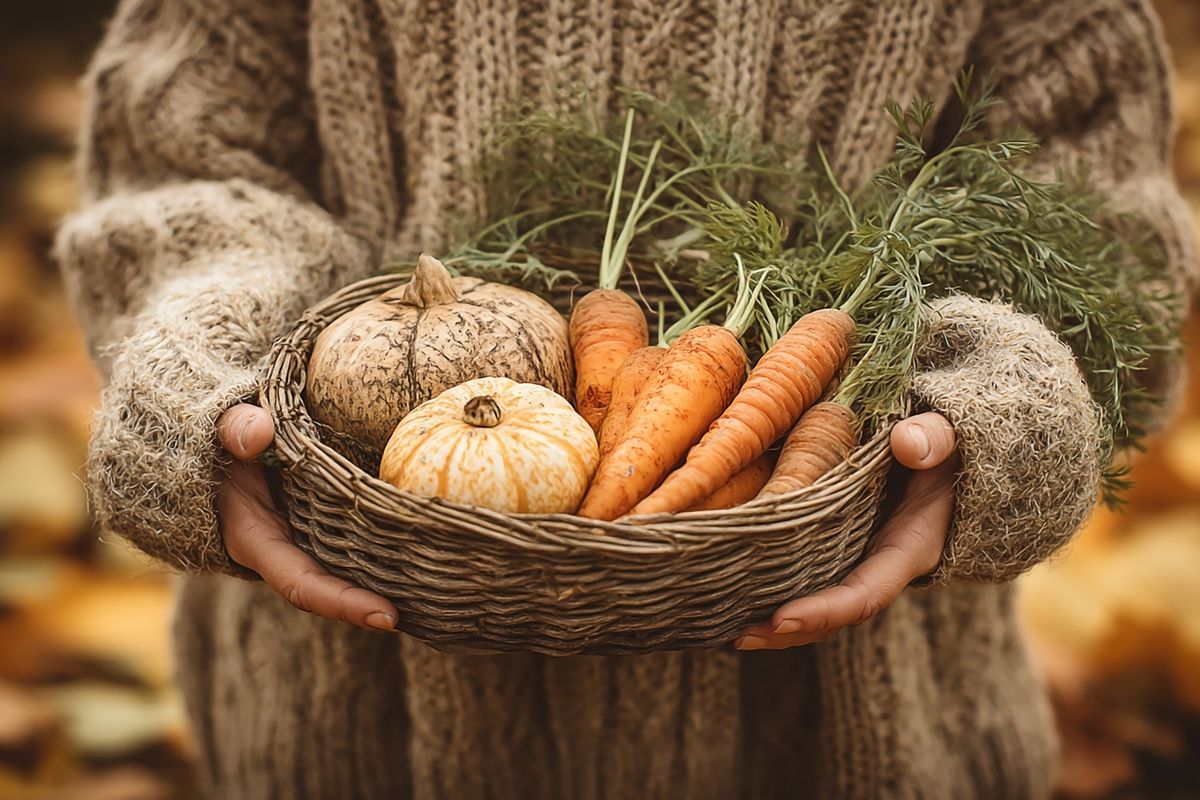
The Late Summer pantry: Sweet potato, pumpkin, winter squash, carrots, millet, oats, rice, red dates, ginger. Simple ingredients. Warm preparations. No fireworks.
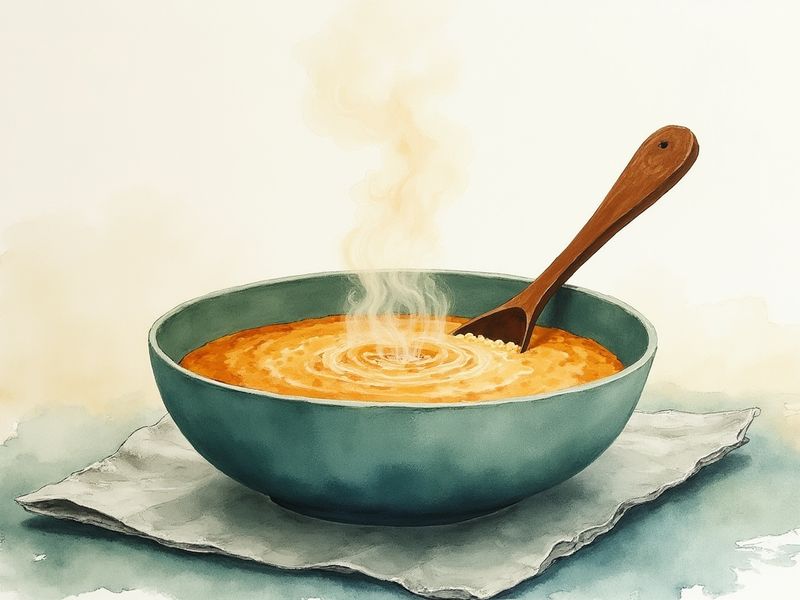
Gentle cooking methods. Roasting, slow-cooking, braising, simmering. Late Summer food should feel like a warm hand on your back — steady, supportive, unhurried. The Golden Pumpkin & Ginger Porridge is the quintessential Late Summer breakfast — roasted pumpkin, fresh ginger, a swirl of tahini, eaten warm.
What to cut back. Excess raw, cold, and damp-producing foods stress the Spleen: dairy, refined sugar, iced drinks, excessive fruit, cold salads. This doesn't mean eliminating everything — it means noticing whether those foods leave you bloated, foggy, or unsettled after eating. If they do, the Spleen is asking you to stop.
For a full dinner that hits every Late Summer note, the Sweet Potato, Red Date & Millet Bowl gives you millet (the grain of the Spleen), roasted sweet potato, and simmered red dates in one warm, grounding bowl.
The sweet flavor's relationship to the Spleen is part of a broader system of five flavors and five organs — worth understanding if you want to eat with intention year-round.
Late Summer Practices for Body and Mind
Slow down. You are not supposed to maintain summer's pace right now. The energy is turning inward. If you try to keep sprinting, you'll arrive at autumn exhausted and ungrounded. Let the tempo drop.
Cook a real meal. The act of cooking is Earth element medicine. Standing in a kitchen, working with your hands, transforming raw ingredients into something nourishing — this isn't just food preparation. It's a grounding practice. Eat what you make sitting down, slowly, without screens. The meal plan doesn't need to be elaborate — a week of simple Earth Element eating is more about rhythm than recipes.
Come home. Literally and figuratively. Late Summer is the season for nesting, not networking. Spend more time in your kitchen, your garden, your living room. Reduce the outward energy of summer socializing and replace it with the inward energy of being settled in your own space.
Address worry and overthinking. Worry is the Spleen's emotion. When the Spleen is stressed, thoughts loop without resolution — the same anxious scenario played on repeat. The antidote isn't more thinking. It's getting out of your head and into your body. Walk without a destination. Put your hands in soil. Journal without editing. Let the thoughts come out without needing to solve them.
Adapting Late Summer for Your Type
Heavy & Foggy. This is your most vulnerable season. The Spleen is your core organ, and Late Summer tests it. Dampness peaks right now — both internal and external. Cut sugar and dairy completely. Warm breakfasts are non-negotiable. Cook everything. If you can get through Late Summer with your Spleen intact, autumn becomes manageable. If you can't, the brain fog, bloating, and sugar cravings will follow you into winter. The Late Summer Self-Care Routine has your full protocol.
Cold & Depleted. Harvest time is building time for you. This is the season to stock up — to eat fully, sleep deeply, and build reserves before winter drains them. Warm, nourishing, richly flavored food: sweet potato, red dates, bone broth, roasted squash. Extra portions. This is not the season to eat light. Your body needs the harvest.
Hot & Restless. Transition time. Summer's residual heat should be winding down. If you're still running hot — anxious, insomniac, irritable — Late Summer is where you actively begin cooling. Start shifting from cold and cooling foods to warm and neutral. Chrysanthemum tea is still good. But begin incorporating more grounding foods alongside the cooling ones. You're landing, not crashing.
Tight & Stuck. Coming home to center is your hardest practice. You're better at pushing outward than settling inward. Late Summer asks you to be where you are, not where you're going. Cook one pot of something simple and eat it for three days. Walk without a destination. Resist the urge to use this season "productively." The practice is contentment with what's already here.
Heavy & Foggy types will feel Late Summer most intensely — the Spleen is their core organ, and this season tests it hardest. Cold & Depleted types should treat Late Summer as their annual building window. For type-specific routines, see A Late Summer Self-Care Routine for Every Archetype.
The center holds not by force but by nature. Everything rises, peaks, and returns — and the place it returns to is home. Late Summer is the Tao's reminder that you don't have to keep reaching outward. Sometimes the deepest nourishment comes from simply being where you are.
Where to Start
If this is the first time you've heard of Late Summer as a season, start with The Season Nobody Talks About. It will change how you see August.
If you're already feeling the shift — the craving for comfort food, the desire to slow down, the brain fog creeping in — don't ignore it. Cook something warm tonight. The Golden Pumpkin & Ginger Porridge takes twenty minutes and feeds the Spleen exactly what it needs.
And if you're reading this in September or October, wondering why you feel so unmoored, the season you missed might explain everything. It's not too late to come home — even a partial harvest is better than none.