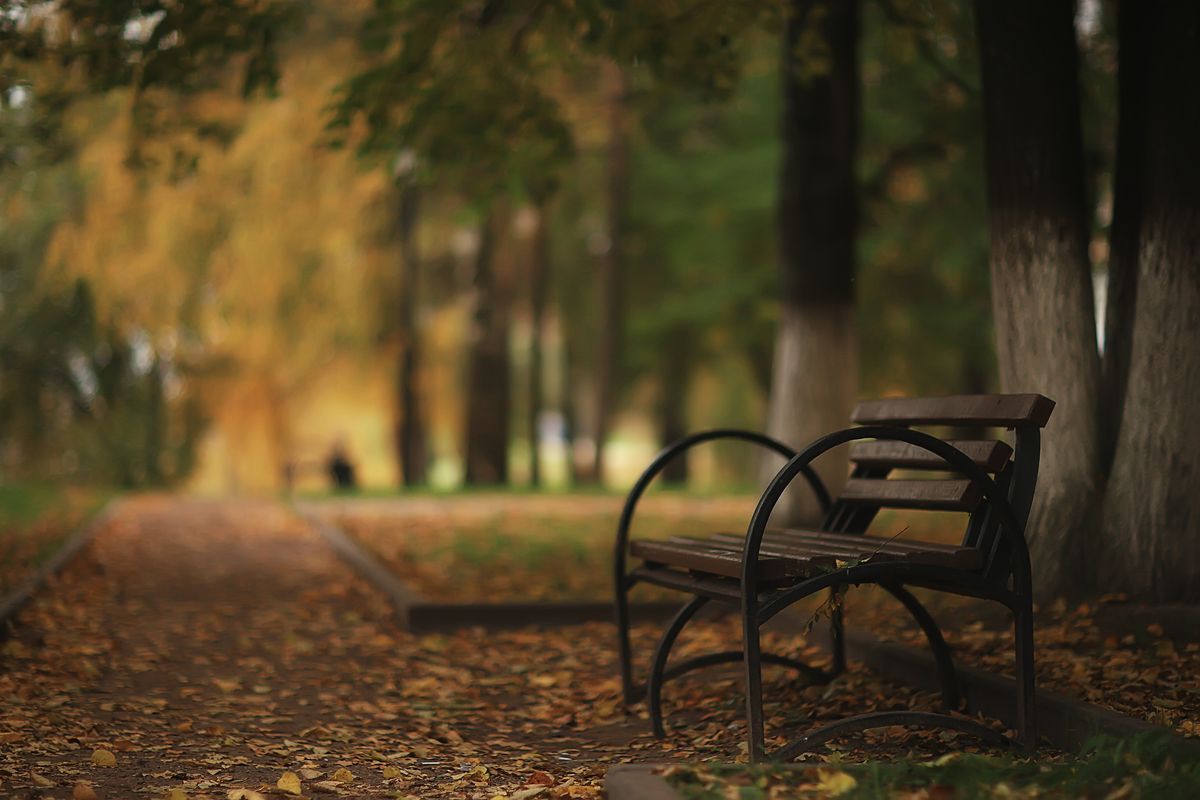
When was the last time you were truly bored?
Not the restless kind where you pick up your phone after nine seconds. The real kind — where time slows down, your mind wanders without a destination, and nothing needs to happen next.
If you cannot remember, that is the problem. You have optimized boredom out of your life, and you lost something important in the process.
We Killed Boredom and Called It Progress
Think about how you move through a typical day. Podcast in the shower. Scrolling in the elevator. Music on the walk. A video playing while you cook. Another one while you eat.
Every spare moment has been claimed. Every gap has been filled.
We treat silence and stillness as problems to solve. As inefficiencies. As wasted time that could be spent learning, consuming, or staying informed. The message is clear: if you are not being stimulated, you are falling behind.
But those spaces between activities — the ones we have so carefully eliminated — are where the mind does its most important work. We paved over the quiet and called it progress. We did not notice what we buried underneath.
What Boredom Actually Does
Neuroscience has a name for what happens when you stop doing and let the mind drift. It is called the default mode network — a set of brain regions that activate when you are not focused on any external task.
This is where the real work happens. Not productivity work. The deeper kind.
The default mode network is where creativity lives. It is where your brain connects seemingly unrelated ideas. It is where emotional processing takes place — the slow, quiet integration of experiences you have not had time to digest. It is where insight arises, seemingly from nowhere, because you finally gave it room.
Children who are bored become imaginative. They build worlds out of sticks and cardboard. They invent games. They daydream stories into existence.
Adults who are bored reach for their phones.
We have not lost the capacity for imagination. We have just stopped giving it the one condition it needs: nothing to do.
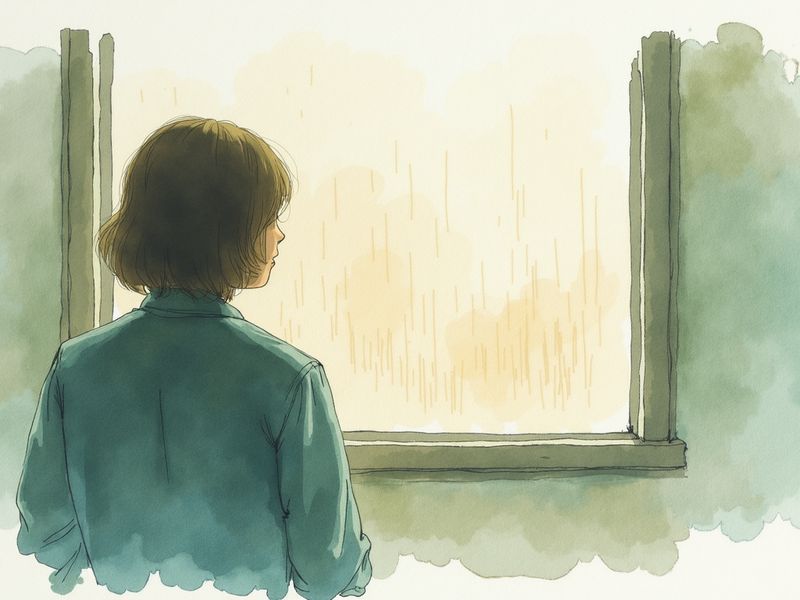
Boredom as Nervous System Medicine
There is a physical dimension to this that goes beyond creativity.
Constant stimulation — even the pleasant kind, even the educational kind — keeps your nervous system in a state of low-grade alert. Every notification, every new piece of content, every bit of information asks your body to respond. Process this. React to that. Stay engaged.
It is not dramatic stress. It is the quiet hum of a system that never fully powers down.
Boredom is one of the few states that lets the nervous system truly settle. Not sleep. Not meditation. Just the ordinary experience of having nothing happening and nowhere to be.
The discomfort you feel when boredom arrives is worth paying attention to. That restlessness, that itch to grab your phone, that vague anxiety — it is the discomfort of being alone with yourself without distraction.
And that discomfort is the threshold of presence. If you can sit with it for a few minutes instead of escaping it, something shifts. The agitation softens. The mind slows. You arrive, perhaps for the first time all day, in the place where you actually are.
The Tao Te Ching speaks of the usefulness of emptiness: the bowl is useful because of the space inside it. The room is useful because of the emptiness it contains. In the same way, your mind is most creative and most clear when it is allowed to empty. Boredom is not a void to fear. It is the space where the next real thought can arise.
How to Let Yourself Be Bored (A Beginner's Guide)
If boredom feels foreign to you, that is understandable. You may need to practice it the way you would practice anything unfamiliar — gently, in small doses, without turning it into another self-improvement project.
Here are some starting points.
Sit in a waiting room without your phone. Next time you are early for an appointment, leave your phone in your bag. Just sit. Look around. Let your mind do whatever it wants to do.
Walk a familiar route without headphones. Not a mindfulness walk. Not a gratitude practice. Just a walk with nothing in your ears. Let it be boring.
Lie on the couch and do nothing for twenty minutes. Not meditation. Not breathwork. Just nothing. Stare at the ceiling. Let your thoughts wander wherever they go.
Wait for water to boil without picking up your phone. Stand in the kitchen. Watch the pot. Let it be the slowest three minutes of your week.
Notice what arises when you do these things. First, probably anxiety. Then restlessness. Maybe sadness or a feeling you have been outrunning. Eventually, if you stay, a quiet calm. And after that — ideas. Memories. Connections. The things that only come when you stop reaching for them.
You are not wasting time. You are returning to yourself.
Especially for Hot and Restless types who fill every silence with stimulation, and Tight and Stuck types who fill every moment with tasks. If you are Cold and Depleted and already low on energy, boredom can tip into lethargy — you may need gentle activation more than stillness.
The Quiet That Waits for You
You do not need to become a monk. You do not need to delete your apps or move to the countryside. You just need to stop filling every gap.
Start with one moment a day where you choose nothing over something. One walk without input. One wait without distraction. One evening where you sit with the quiet instead of escaping it.
Boredom is not a sign that something is wrong. It is a sign that you have finally created enough space for something real to happen.
The things you are looking for — clarity, creativity, calm, a sense of who you actually are beneath all the noise — they are not hiding. They are waiting. They just need you to stop long enough to notice them.
If you are rethinking how much input your mind truly needs, the attention diet offers a framework for choosing what deserves your focus. And if the idea of doing nothing feels radical, rest as practice explores why slowing down is not laziness but a necessary part of living well.
There is an old idea in Taoist philosophy that simplicity and non-attachment are not about deprivation — they are about clearing away what clutters so you can see what matters.
Boredom is the beginning of that clearing. Let it in.