Seasonal Living: Aligning Your Life with Nature's Rhythms
You eat the same breakfast in January and July, keep the same schedule year-round, and wonder why you feel off. What if the problem isn't you — what if you're just out of season?
You eat the same breakfast in January that you eat in July. You wake up at the same time, keep the same schedule, expect the same energy from yourself whether the sun sets at 4pm or 9pm.
And then you wonder why you feel off.
Tired in ways that coffee can't fix. Moody for no clear reason. Craving foods you think you shouldn't want. Catching every cold that passes through your office. Sleeping nine hours and still dragging yourself out of bed.
What if the problem isn't you?
What if you're just out of season?
Why Modern Life Is "Seasonless"
Same alarm clock. Same commute. Same gym routine. Same lunch. Three hundred and sixty-five days a year.
We've built a world that runs on constancy. Artificial lighting keeps us up past dark. Climate control keeps us at 72 degrees whether it's August or February. A global food supply means you can eat mangoes in Montana in December and nobody blinks.
This is convenient. It is also deeply weird, from a biological standpoint.
For roughly 200,000 years, human bodies adapted to a life shaped by the seasons. We ate what grew. We slept when it was dark. We moved more in warm months and rested in cold ones. Our hormones, digestion, immune function, and mood all shifted in response to these cycles — because they were supposed to.
Then, in about two generations, we eliminated almost every seasonal cue.
The result is a kind of chronic, low-grade misalignment. Not dramatic enough to call a disease. Just this persistent feeling that something is a little bit off. Energy dips that don't correlate with your sleep. Mood swings that arrive on schedule but never get explained. Cravings that seem irrational. An immune system that collapses every time the weather changes.
You're not broken. You're living as if seasons don't exist — and your body keeps insisting that they do.
A Different Way to Think About the Year
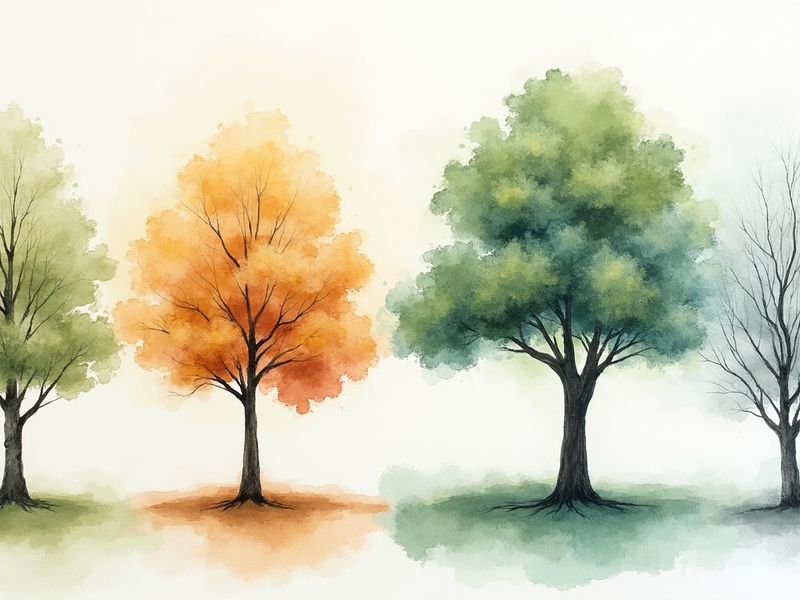
Western culture recognizes four seasons. Traditional Chinese Medicine adds a fifth.
In TCM, the year isn't divided into four equal blocks. It moves through five phases, each with its own energy, rhythm, and purpose:
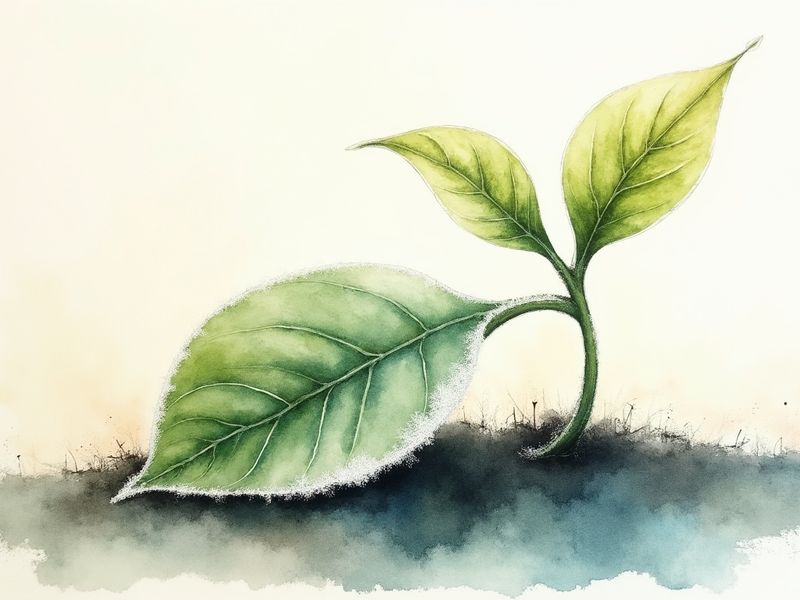
Spring — the season of growth. Everything rises. Energy pushes upward and outward, like a seedling cracking through pavement.
Summer — the season of peak expression. Full bloom. Maximum light, maximum heat, maximum outward energy.
Late Summer — the season most people have never heard of. Roughly August through the equinox, this is the harvest pause — the pivot point between outward and inward energy.
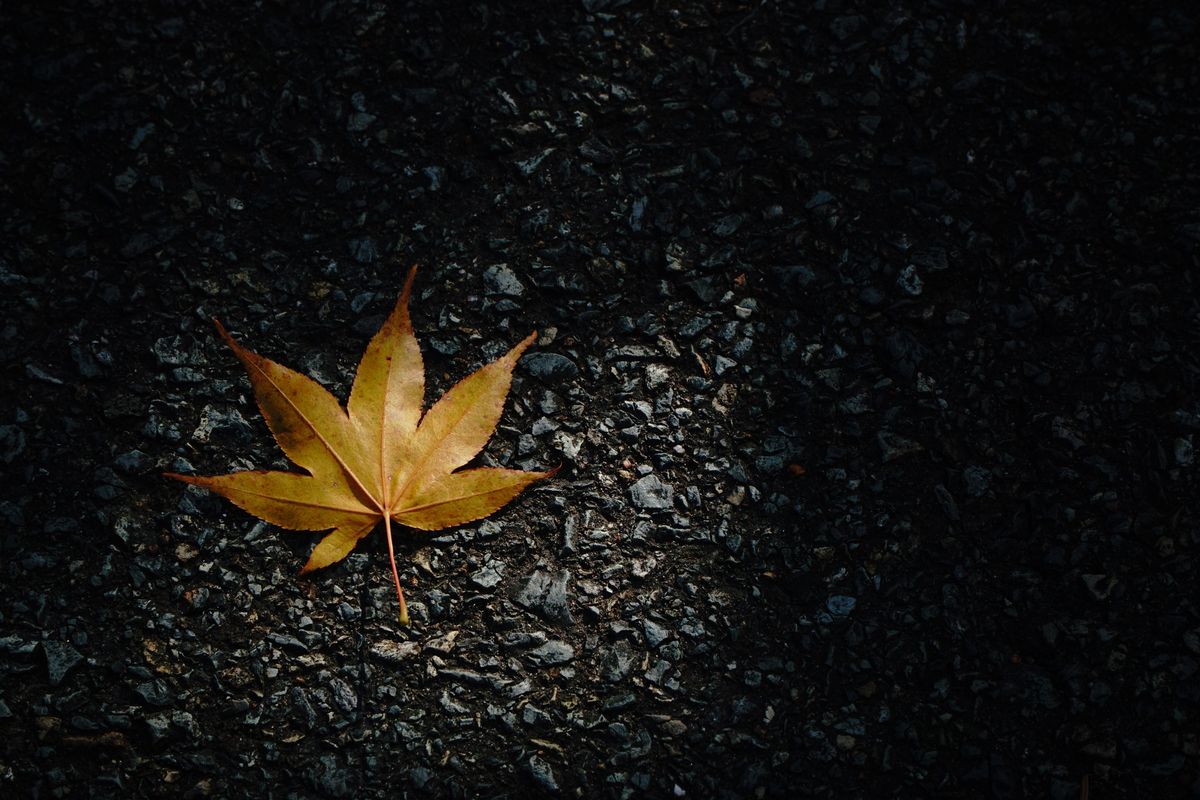
Autumn — the season of letting go. Energy contracts. Things fall away. The exhale after summer's big inhale.
Winter — the season of rest. Deepest stillness. Storage, conservation, and quiet rebuilding from the root.
This five-season model isn't mysticism. It's pattern recognition refined over two thousand years of watching how nature works — and how human bodies respond when they work with those patterns instead of against them.
Each season in this framework maps to an element, an organ system, an emotion, and an energy direction. These aren't metaphors. They're practical tools for understanding why you feel different at different times of the year, and what you can do about it.
Why This Works — TCM Perspective
In Traditional Chinese Medicine, your body isn't a machine that runs the same way year-round — it's more like a garden that needs different things in different seasons. Each season activates a different organ system, shifts your emotional landscape, and changes what foods and habits serve you best. When you eat, move, and rest in rhythm with these shifts, you're not adding anything to your life. You're just stopping the fight against what your body already knows how to do.
Each Season at a Glance
Here's the full picture — brief enough to scan, detailed enough to recognize yourself in it.
Spring — Wood Element — Liver
Rising, expanding energy. The season of vision and new beginnings.
Spring is when everything pushes upward. You feel restless, creative, impatient. The urge to start new things, clean out your closet, break free from winter's heaviness — that's Spring energy doing exactly what it's supposed to do.
The organ associated with spring is the Liver — the body's traffic controller, responsible for the smooth flow of energy and emotion. When spring energy flows freely, you feel clear-headed and purposeful. When it gets blocked, you get irritability, tension headaches, and that trapped feeling where nothing moves forward.
The emotion: frustration when blocked. Creativity when flowing.
Summer — Fire Element — Heart
Peak outward energy. The season of joy and connection.
Summer is full yang — the longest days, the most expansive energy, the time when you should feel most alive and connected. It maps to the Heart, the organ of joy and spirit.
When the Heart is balanced, summer feels like warmth, openness, and genuine happiness. When the Heart overheats — from too much sun, too much stress, too many late nights — you get anxiety, insomnia, and that scattered, can't-sit-still feeling that looks like summer fun but feels like summer burnout.
The emotion: anxiety when overheated. Joy when balanced.
Late Summer — Earth Element — Spleen
The pivot. The season of harvest and nourishment.
This is the season nobody talks about — those four or five weeks when the light shifts, the produce peaks, and something in you wants to come home. Western culture doesn't acknowledge it, jumping straight from "summer fun" to "back to school." But your body knows.
Late Summer belongs to the Spleen, the organ of digestion and grounding. When the Spleen is strong, you feel centered, nourished, clear-headed. When it's struggling, you get bloating, brain fog, sugar cravings, and a nagging feeling of being unmoored.
The emotion: worry when ungrounded. Contentment when centered.
Autumn — Metal Element — Lung
Contracting, inward energy. The season of letting go.
Autumn is the exhale. Energy pulls inward. Things fall away. You feel an impulse to simplify, pare down, release what's no longer needed. There's a melancholy that arrives uninvited — and it isn't a disorder. It's your Lung energy doing exactly what it should.
The Lung takes in the pure and releases the impure. When it's balanced, you can grieve cleanly, set boundaries clearly, and let go with grace. When it's struggling, colds pile up, grief lingers, and everything feels like it's sticking.
The emotion: sadness when stuck. Clarity when released.
Winter — Water Element — Kidney
Deep rest and storage. The season of stillness.
Winter is deepest yin — the most still, most quiet, most inward time of the year. It belongs to the Kidney, the organ that holds your deepest reserves and most essential energy.
When the Kidney is well-nourished, winter feels like deep calm, steady resilience, and quiet wisdom. When it's depleted — from pushing through without rest, powering through holidays, launching into January resolutions — you get bone-deep fatigue, low back pain, and a feeling of being fundamentally spent.
The emotion: fear when depleted. Wisdom when nourished.
What "Seasonal Misalignment" Looks Like in Real Life
You don't need to understand Five Element theory to notice when you're out of sync with the seasons. Your body already tells you, in language you probably dismiss as random symptoms:
You eat cold, raw food in winter — salads, smoothies, iced drinks — and wonder why your digestion is sluggish, your hands are cold, and you can't stop getting sick.
You push for peak productivity in December when every cell in your body is asking for rest. And then January hits like a wall.
You feel guilty about summer laziness — lying around, staying up late, doing nothing productive — when that's exactly what the season asks for.
You get sick every time the seasons change. The two-week transition between seasons is when your body is most vulnerable, and without support, every virus finds you.
You crave foods that "shouldn't" appeal to you. Heavy stews in November. Salads in April. Warm soup on a hot day. These cravings aren't random. They're your body trying to self-correct toward what the season needs.
The connection between your diet and the season runs deeper than most people realize. If you're eating the same foods year-round, you're likely eating out of season — and that disconnect is more draining than you think.
How the Four Archetypes Experience Seasonal Shifts
Not everyone feels seasonal changes the same way. Your body type — what TCM calls your constitutional pattern — determines which seasons challenge you, which ones nourish you, and what you need at each turning point.
Cold & Depleted. Winter hits hardest. You're already running low on warmth and energy, and the cold, dark months can feel crushing. Summer brings genuine relief — the external warmth is medicine — but you tend to overdo it, then crash when autumn arrives.
Hot & Restless. Summer is your danger zone. Fire on fire. The heat amplifies everything you already struggle with: anxiety, insomnia, racing thoughts. Winter's forced stillness triggers a different kind of discomfort — the restless energy has nowhere to go.
Heavy & Foggy. Late Summer's dampness and humidity bury you. The bloating, brain fog, and sugar cravings peak right when the culture says "back to school, go go go." Spring's rising energy is your best medicine — when you can access it.
Tight & Stuck. Spring is your most intense season. The Liver — your primary organ — activates hard, and all that rising energy hits against everything you're holding tight. Autumn's invitation to let go is exactly what you need and exactly what you resist.
If you're not sure which pattern fits you best, the Body Types guide will help you identify where you fall. Most people are a blend, but one pattern usually dominates.
The Simplest Starting Point
You don't need to overhaul your life. You don't need to memorize Five Element charts or restructure your entire diet. Start with two things.
Eat what's in season. Or at least eat food that matches the thermal quality of the season. Warm, cooked food in cold months. Lighter, cooler food in warm months. This single shift — aligning what you eat with when you eat it — affects your energy more than any supplement.
If you want to go deeper, the thermal nature of foods gives you a framework for understanding which foods warm, cool, or balance your body in any season.
Sleep closer to the sun's schedule. A little earlier in winter. A little later in summer. You don't need to match sunrise and sunset exactly — just lean in that direction. Your circadian rhythm is already trying to do this. Let it.
And one more thing, which costs nothing and requires no planning:
Notice how you feel differently in each season. Don't judge it. Don't pathologize it. Just notice. The winter fatigue. The spring restlessness. The summer buzz. The autumn melancholy. These are not problems. They're signals. And once you start listening, the signals become a map.
The natural world doesn't try to bloom in winter or rest in summer. It simply follows the rhythm it was given. We are the only creatures who override that rhythm and then wonder why we feel broken. Living seasonally isn't a practice you add. It's a resistance you stop.
Where to Go from Here
This page is the starting point. Each season has its own guide, with specific foods, practices, and routines tailored to the energy of that time of year.
Start with whatever season you're currently in:
Spring — If you're feeling restless, creative, or stuck, spring's guide will show you how to work with that rising energy instead of fighting it.
Summer — If you're running hot, anxious, or burned out despite "having fun," summer's guide will help you cool down without shutting down.
Late Summer — If you've never heard of this season, start here. It might be the most important transition you've been skipping.
Autumn — If you're carrying too much and can't seem to let go, autumn's guide gives you permission and a practice for releasing.
Winter — If you're exhausted and everyone keeps telling you to push through, winter's guide tells you the truth: rest is the work right now.
You don't have to do all five. You don't have to do any of them perfectly. Just start where you are, pay attention to what shifts, and trust that your body already knows what season it is — even if your calendar forgot.
There's a feeling that arrives in October — a quiet sadness that has nothing to do with anything going wrong. That's not a disorder. It's autumn doing its job.
There are about four weeks between peak summer and true autumn that nobody talks about. This unnamed season might be the most important transition of your year.
You're exhausted and you think something is wrong with you. Here's the thing nobody will tell you: your body isn't failing. It's doing exactly what it was designed to do in winter.
Walk the Slow Path With Us
Weekly insights on slow living, Taoist wisdom, and seasonal recipes. Free, always.
Walk the Slow Path
Weekly insights on Taoist wisdom, seasonal living, and conscious nourishment — delivered gently to your inbox.