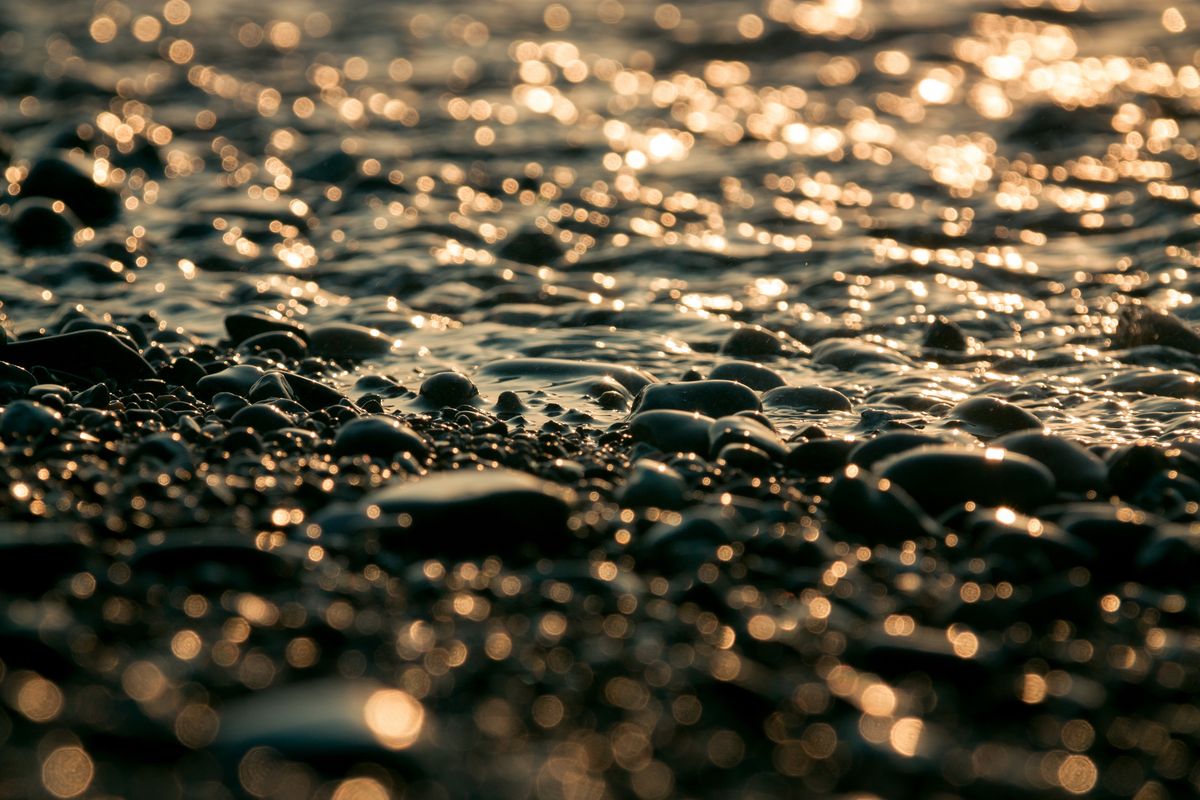
There's an obstacle in your path. Your instinct is to push through it, climb over it, or smash it apart. You've been doing this your entire life — brute force, willpower, determination. And it works. Until it doesn't. Until the obstacle is bigger than your force.
Water wouldn't push. Water wouldn't climb. Water would find the way around — patiently, quietly, without losing a single drop. And eventually, it would wear the obstacle down to nothing.
This isn't poetic abstraction. It's one of the most practical ideas in Taoist philosophy, and it might change how you move through your entire life.
The Tao Te Ching's Favorite Metaphor
Of all the images in the Tao Te Ching — valleys, infants, uncarved wood — water appears more than any other. Chapter 8 opens with one of the most famous lines in all of Chinese philosophy: "The highest goodness is like water."
Why water? Because water does something nothing else can. It benefits everything it touches without competing with anything. It flows to the lowest places that everyone else avoids. And in doing so, it comes closer to the Tao than anything else in nature.
Water doesn't try to be powerful. It just is. It doesn't strategize or scheme. It simply follows its nature — downward, around, through — and in that effortless movement, it accomplishes what force never could.
Every principle the Tao Te Ching teaches, water embodies. Softness over hardness. Patience over urgency. Yielding over resistance. If you could understand water, you'd understand the whole book.
Soft but Unstoppable
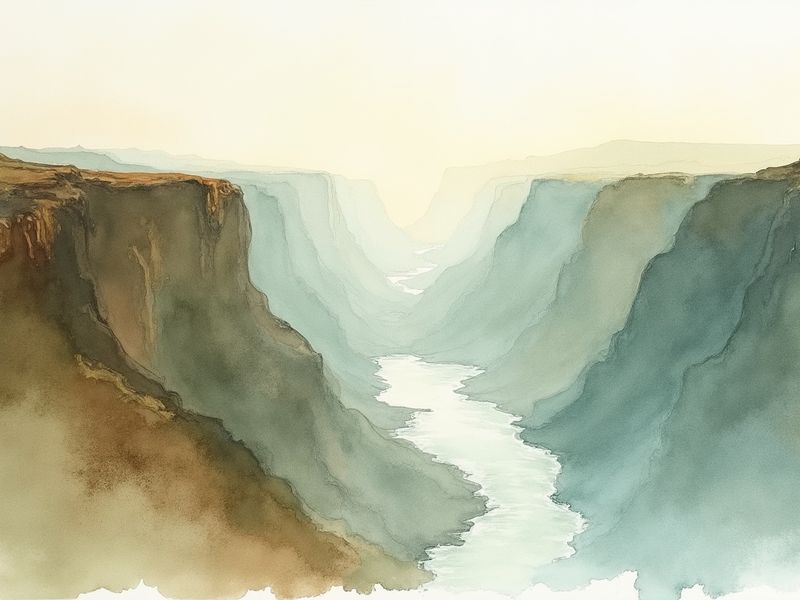
The Grand Canyon is 277 miles long, up to 18 miles wide, and over a mile deep. It wasn't carved by explosions or earthquakes. It was carved by a river. Slowly. Over roughly six million years.
The Colorado River didn't fight the rock. It didn't need to. It just kept moving — day after day, century after century — and the rock that seemed permanent gave way to something soft and patient.
This is the part that's hard for the force-oriented mind to accept: you don't always need to be stronger than the obstacle. Sometimes you just need to outlast it.
The relationship that's stuck doesn't always need a dramatic confrontation. The career transition that feels impossible doesn't always need a bold, risky leap. The habit you can't break doesn't always yield to willpower and gritted teeth.
Sometimes the answer is gentler than that. Steady presence. Consistent small movement. The willingness to keep flowing when nothing seems to be changing.
The obstacle doesn't need to be destroyed. It just needs to be outlasted. And patience — the kind water has — is a force that almost nothing can withstand.
This is closely connected to the strength in yielding. Softness isn't the absence of power. It's power that doesn't waste itself.
Water Finds the Lowest Point
Here's the part that really rubs against modern culture: water always sinks.
Everything in our world tells us to rise. Climb the ladder. Reach the top. Be above average. Stand out. Elevate yourself.
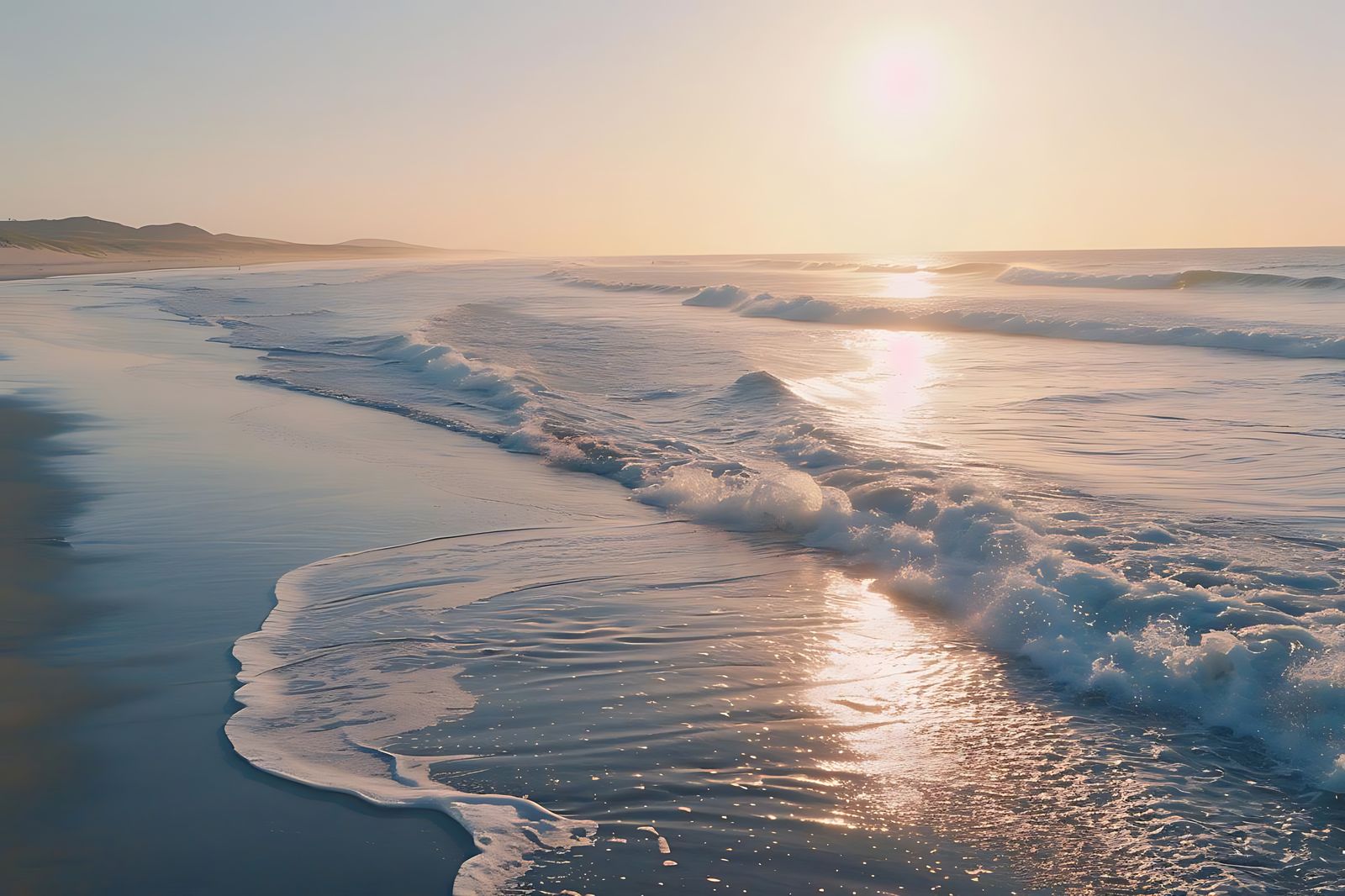
Water does the opposite. It seeks the lowest point — the valley, the basin, the hollow — and settles there. And here's the strange thing: the lowest point is exactly where everything gathers. All streams flow down. All rivers find the sea. The low place becomes the place of abundance, not because it fought for position, but because it made itself available.
Chapter 66 of the Tao Te Ching makes this explicit: the sea is king of a hundred streams because it lies below them. By taking the low position, it draws everything to itself.
There's a practical wisdom here that has nothing to do with being a doormat. Humility — real humility, not the performed kind — is a strategic advantage. The person who doesn't need to be the smartest one in the room learns from everyone in it. The leader who listens more than they speak earns a loyalty that authority alone never could. The friend who doesn't need to win every argument keeps friendships that the combative person loses.
Taking the low path isn't losing. It's choosing the position where everything flows toward you instead of away.
Water Takes Any Shape Without Losing Itself
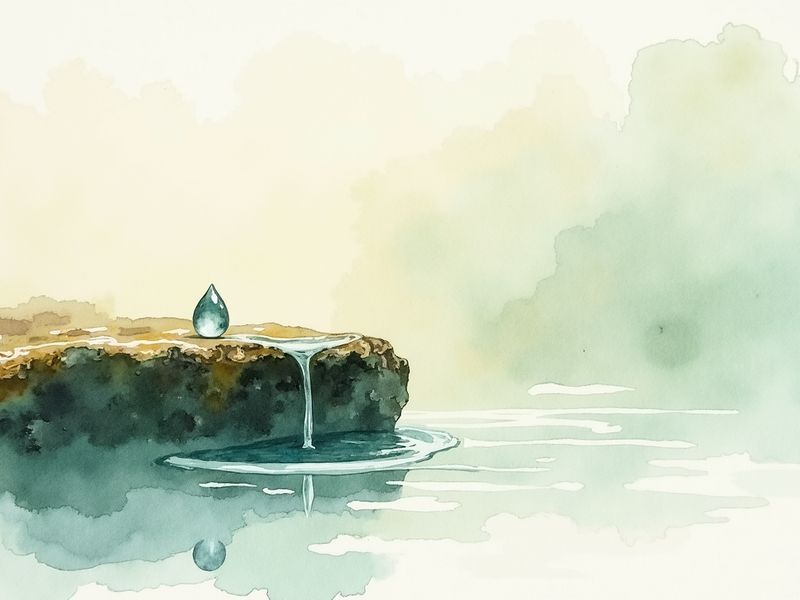
Pour water into a glass, it becomes the glass. Pour it into a bowl, it becomes the bowl. Pour it into a teapot, it takes the exact shape of the teapot.
And yet — it's still water. Every single time.
This is the part that matters most, and it's the part that people get wrong when they hear "be adaptable." They think it means becoming whatever the situation demands. Shapeshifting to please others. Losing yourself in every new container you're poured into.
That's not what water does. Water adapts its shape completely while keeping its nature intact. It's always water — whether it's a puddle, a river, a rainstorm, or a glacier. The form changes. The essence doesn't.
You've probably known people like this. They can walk into any room — a boardroom, a backyard barbecue, a hospital waiting room — and feel like they belong there. They adjust their energy to the situation without losing who they are. They're not chameleons performing different identities. They're water, flowing into whatever shape is needed while staying fundamentally themselves.
Flexibility, it turns out, is the most efficient kind of strength. The rigid person expends enormous energy maintaining their shape against the pressure of every new situation. The flexible person saves that energy by adapting, and has reserves left for the things that actually matter.
Bruce Lee understood this when he said his famous line: "Be water, my friend." He wasn't talking about being passive. He was talking about being so adaptable that nothing could contain you, so fluid that no opponent could predict you, so formless that force had nothing to push against.
In Traditional Chinese Medicine, water is the element of the kidneys — the body's deepest reserves and the root of all energy. Kidney energy is quiet, slow, deep, and enduring. Think of it as the battery that everything else runs on. It doesn't burn bright and fast like fire. It sustains you over decades.
When you embody water qualities — patience, rest, deep steadiness — you build these reserves over time. When you fight everything like fire — pushing, forcing, burning through obstacles with sheer will — you deplete them. The person who runs on adrenaline and determination is spending kidney energy faster than they're restoring it. Being like water isn't just philosophy. It's a health strategy for long-term vitality.
Being Water This Week
You don't need to become a different person by Friday. But you can start noticing where water's lessons might apply to the life you're already living.
Where are you pushing when patience would work? Maybe it's a conversation you keep forcing. A decision you're trying to rush. A person you're trying to change through sheer repetition. What if you stopped pushing and just kept showing up — steadily, softly, like the river that carved the canyon?
Where are you refusing to adapt? Is there a situation that's clearly asking you to change shape, and you're spending all your energy staying rigid? Adapting doesn't mean giving up what matters. It means finding a new form for the same essence.
Where could you take the low path? Where are you fighting for position, recognition, or status that you don't actually need? What would it look like to step back — not out of defeat, but out of the quiet confidence that the low place is where everything gathers?
Where are you forcing when flowing would work? Think about your schedule, your relationships, your work. Is there a place where you're muscling through something that would actually move easier if you relaxed your grip?
Best for: Tight & Stuck — the person who defaults to force, who pushes harder when things don't move, who equates softness with giving up. Water is your teacher. If you're Cold & Depleted — already too fluid, too yielding, too formless — you may need more fire and wood energy first. Not every season calls for more water.
The next time you meet an obstacle — in your work, your relationships, your own mind — pause before you push. Ask yourself what water would do.
It wouldn't fight. It wouldn't freeze. It would find the way around, fill every crack, and keep moving. Softly. Patiently. Without losing a single drop of what it is.
That's not weakness. That's the quiet kind of power that outlasts everything.